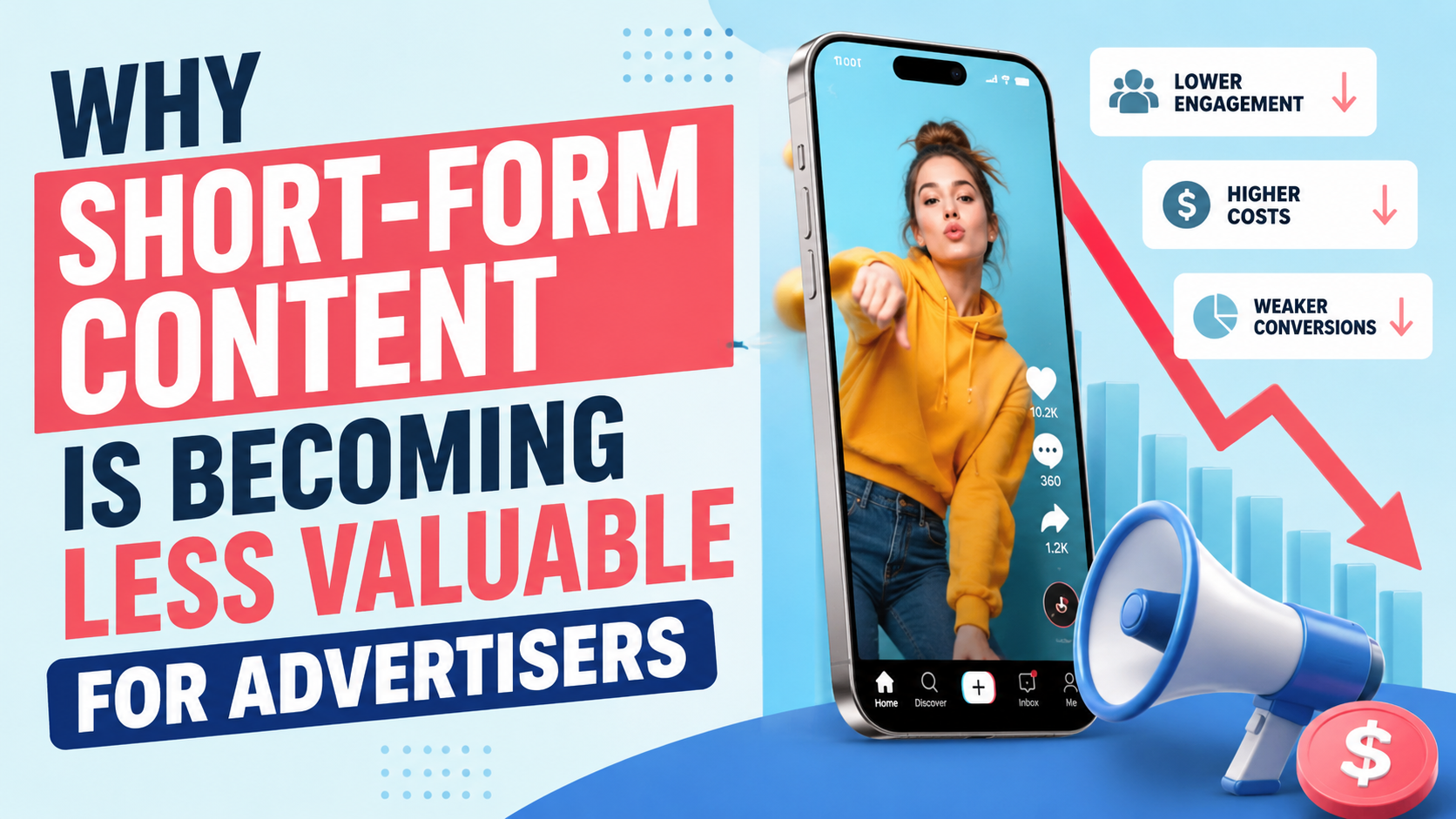
Short-form content is extremely effective at generating discovery. It introduces creators to new audiences quickly and gives platforms a constant stream of highly consumable content. But for advertisers, discovery alone is no longer enough. The challenge is that short-form audiences often behave differently from long-form audiences. A user may watch dozens of Shorts in a single session without forming any meaningful connection with the creator, the product, or even the platform itself. Consumption becomes passive, repetitive, and highly disposable.
This creates a difficult environment for brands trying to build recall or trust. A viral clip may generate impressive numbers, but if viewers forget the creator or the message minutes later, the actual business value becomes questionable. As a result, many advertisers are beginning to focus less on raw reach and more on audience depth.
Why Long-Form YouTube Videos Build More Trust and Viewer Intent
Long-form YouTube content naturally filters audience behaviour. A viewer who chooses to spend 20, 30, or even 60 minutes watching a creator is making a far more intentional decision than someone casually swiping through a feed. That viewing behaviour signals interest, trust, and engagement, all of which matter significantly to advertisers.
This is one of the biggest reasons why podcasts, interviews, explainers, documentaries, and creator-led storytelling formats are seeing renewed brand interest. These formats allow creators to spend more time building context, credibility, and emotional connection with viewers. Unlike short-form content, where brand messaging often competes with constant scrolling behaviour, long-form content creates an environment where audiences are more willing to listen, absorb information, and stay engaged for longer periods of time. For advertisers, that changes the quality of attention entirely.
Why YouTube Is Becoming a Premium Platform for Brand Advertising Again
One of the more interesting shifts happening right now is that YouTube is increasingly being viewed less as a social video platform and more as a premium media environment. This is especially visible in categories such as business podcasts, finance channels, technology explainers, automotive reviews, educational content, and creator-led interview formats. These formats attract audiences that are highly intentional and often highly valuable from an advertiser’s perspective. A viewer watching a 40-minute discussion behaves very differently from someone consuming dozens of random viral clips. Their session time is longer, their focus is deeper, and their purchase intent is often clearer. For advertisers dealing with rising acquisition costs and declining attention spans across digital media, this matters more than ever. The conversation is slowly shifting from “How many people watched this?” to “How engaged were the people who stayed?”
Why Creators Are Using Shorts for Discovery but Long-Form for Loyalty
Over the last few years, creators were heavily rewarded for speed, quantity, and trend participation. But as platforms become more crowded, differentiation becomes harder. Similar editing styles, repeated hooks, identical pacing structures, and trend-driven formats have created an ecosystem where much of the content starts feeling interchangeable.
In that environment, long-form content becomes one of the few remaining spaces where creators can still develop a distinct voice and build stronger audience loyalty. This does not mean short-form content is disappearing. Shorts will continue to dominate discovery and mobile consumption. But increasingly, creators are starting to use Shorts as an entry point rather than the final destination. The deeper audience relationship is often built through podcasts, long-form videos, live streams, communities, and creator-led ecosystems that encourage repeat engagement over time. That distinction is becoming increasingly important for sustainable growth.
What This Shift Towards Long-Form Content Means for Creators in 2026
Creators who rely entirely on short-form virality may eventually face a ceiling where visibility grows faster than audience loyalty. At the same time, creators investing in deeper formats are often building stronger monetisation opportunities because long-form audiences tend to generate higher trust and stronger repeat behaviour. This can influence everything from premium sponsorships and memberships to brand partnerships and community-driven revenue models. The industry is slowly realising that attention alone is no longer the most valuable asset. Trusted attention is. And right now, long-form YouTube remains one of the strongest environments on the internet for building it.
The Bigger Shift the Creator Economy Is Starting to Notice
The return to long-form content is not about abandoning short-form video. It is about recognising that virality and influence are not the same thing. Short-form may win the scroll. But long-form still wins the relationship. As platforms evolve and advertising becomes more performance-driven, creators who understand how to balance discovery with depth may ultimately build stronger businesses than those relying purely on reach.
Understanding Long-Term YouTube Growth Beyond Short-Term Virality
At Ping Network, we work closely with creators, brands, and media companies, navigating the changing dynamics of audience behaviour, monetisation, and platform growth.
As YouTube increasingly rewards deeper audience relationships over temporary visibility spikes, creators need strategies that balance discovery with long-term audience retention and sustainable monetisation. From content positioning and YouTube strategy to CMS management, monetisation support, analytics, and content protection, we help creators build stronger and more sustainable digital ecosystems in an increasingly competitive creator economy.