For years, the creator economy was built around a simple assumption: if a creator could grow on a major platform, everything else would eventually follow. Views would become followers, followers would become influencers, and influencers would eventually become business stability. But in 2026, that assumption is starting to weaken.
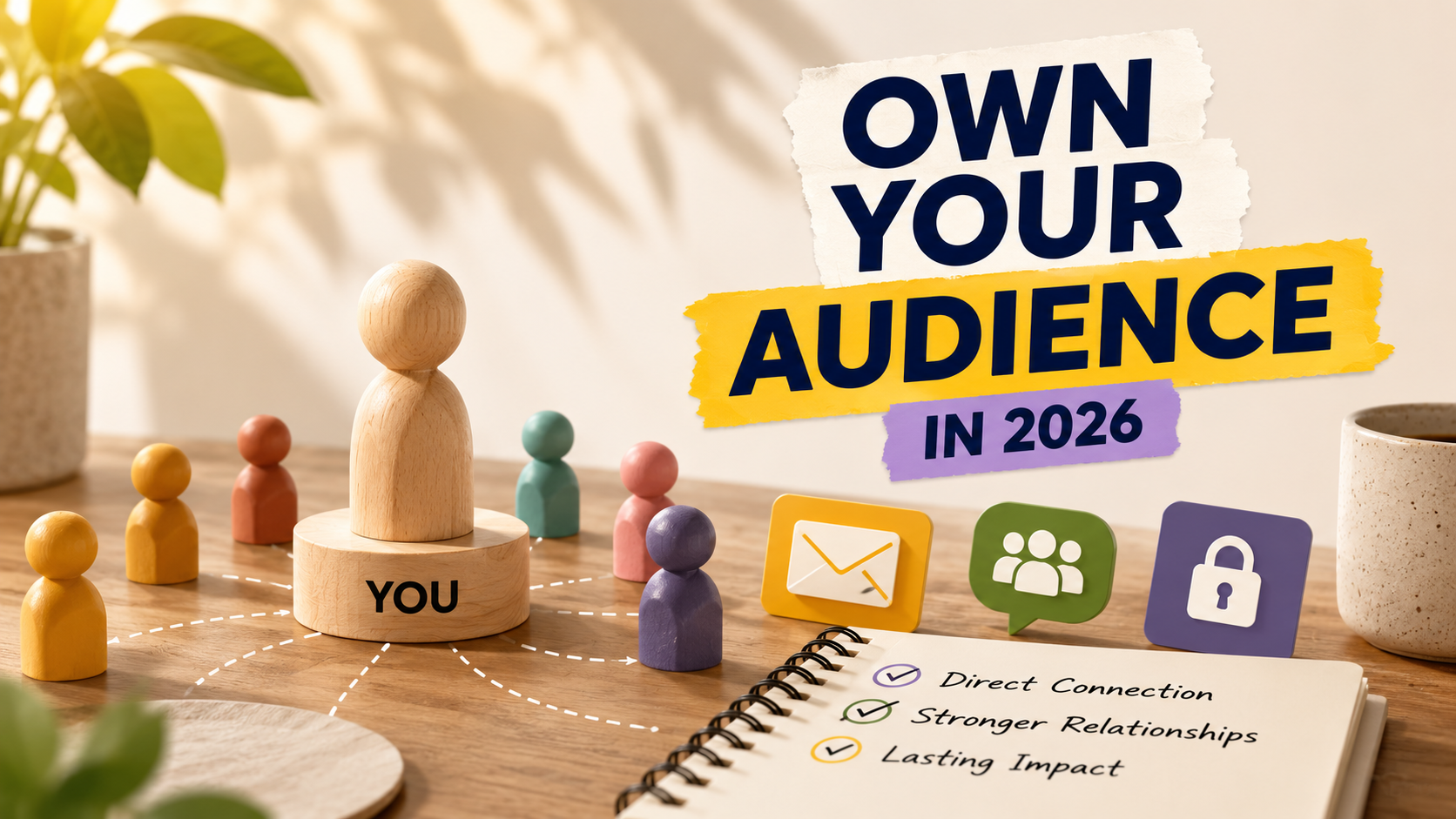
A growing number of creators are realising that building an audience on a platform is not the same as owning an audience. And the difference between those two ideas is becoming one of the most important conversations quietly reshaping the creator economy today.
Across YouTube, Instagram, TikTok, podcasts, newsletters, and live-streaming ecosystems, creators are increasingly trying to move their audiences into spaces they can control more directly. Discord servers, WhatsApp communities, Telegram groups, email newsletters, private memberships, websites, apps, and community platforms are no longer being treated as side projects. For many creators, they are becoming strategic necessities. This shift is not happening because creators suddenly dislike platforms. It is happening because platforms themselves have become too unpredictable to rely on completely.
Why Creators No Longer Feel Comfortable Depending on One Platform
The modern creator ecosystem moves faster than ever before. Algorithms change constantly. Viewer behaviour shifts rapidly. Monetisation policies evolve without warning. Features appear and disappear. Reach fluctuates. Entire content formats can rise and collapse within months.
As platforms become more recommendation-driven, creators are also discovering how fragile visibility can sometimes feel. A creator may spend years building momentum only to experience sudden reach instability that cannot always be fully explained through content quality alone. This uncertainty changes how creators think about growth.
Earlier, the goal was often to maximise followers within the platform ecosystem itself. Today, many creators are starting to ask a different question: what happens if the platform stops distributing their content tomorrow? That question is quietly changing creator strategy across the industry. Audience ownership is no longer viewed as a “nice additional layer.” It is increasingly becoming part of long-term survival planning.
Why Email Newsletters and Private Communities Are Growing Again
One of the most interesting shifts happening right now is the return of direct communication models. Email newsletters, private communities, subscription groups, and direct messaging channels are regaining importance because they remove a layer of algorithmic dependency. When creators communicate directly with audiences, they no longer have to rely entirely on recommendation systems to stay visible. This creates a completely different relationship dynamic.
A YouTube subscriber may or may not see a creator’s next upload. An Instagram follower may never receive future posts consistently. But an email subscriber, community member, or direct notification user exists inside a more controlled communication environment. That stability matters. Creators are increasingly realising that follower counts can create an illusion of security. A creator may have millions of followers while still depending almost entirely on platform distribution decisions to maintain reach and monetisation.
Direct audience ecosystems reduce that vulnerability. And as platform competition becomes more aggressive, creators are beginning to value audience access almost as much as audience size.
How the Creator Economy Is Moving Beyond Followers
For years, the creator economy rewarded visibility metrics above almost everything else. Followers, subscribers, views, impressions, and viral spikes became the primary indicators of success. But the industry is slowly shifting toward a more infrastructure-focused mindset.
Today, some creators are discovering that smaller but highly connected communities can sometimes become more valuable than massive passive audiences. A loyal newsletter readership, active Discord community, or membership-based audience may generate stronger long-term business sustainability than unpredictable viral reach alone.
This changes the definition of creator success. Instead of building only for exposure, creators are increasingly building for retention, direct connection, repeat engagement, and audience portability. They want systems that remain functional even when platforms fluctuate. In many ways, the creator economy is starting to resemble older media businesses again, where audience relationships matter just as much as audience discovery.
Why Platforms Accidentally Encouraged This Shift
Ironically, platforms themselves may have unintentionally accelerated this movement toward independence. As recommendation systems became more dominant, creators gained extraordinary distribution potential. Viral growth became faster than ever before. But at the same time, creators lost some degree of predictability and control over how audiences were reached consistently.
This created a strange paradox. Platforms made audience growth easier while simultaneously making audience stability harder. The result is that creators are no longer thinking only about platform optimisation. They are thinking about ecosystem diversification. A YouTube creator now often wants a newsletter. A podcaster wants a private community. An Instagram creator wants a long-form platform. A streamer wants direct memberships. The goal is no longer simply to grow an audience. The goal is to reduce dependence on any single traffic source.
The Future of the Creator Economy May Belong to Creators Who Own Their Ecosystems
This does not mean platforms are becoming less important. In fact, they remain more important than ever for discovery and scale. But the relationship between creators and platforms is evolving. Platforms may continue to dominate distribution, but creators increasingly want ownership over connection. That distinction could define the next phase of the creator economy.
The creators who survive long-term may not necessarily be the ones with the biggest viral moments. They may be the ones who successfully convert temporary attention into durable audience ecosystems that exist beyond algorithmic reach fluctuations. Because in 2026, followers alone are starting to feel less permanent. Connection is becoming the real asset.
How Ping Network Can Help
At PING Network, we work with creators and media businesses not just on content growth, but on building sustainable digital ecosystems around their audiences. From YouTube strategy and monetisation support to platform diversification and long-term audience development, the creator economy is increasingly rewarding creators who think beyond a single platform.