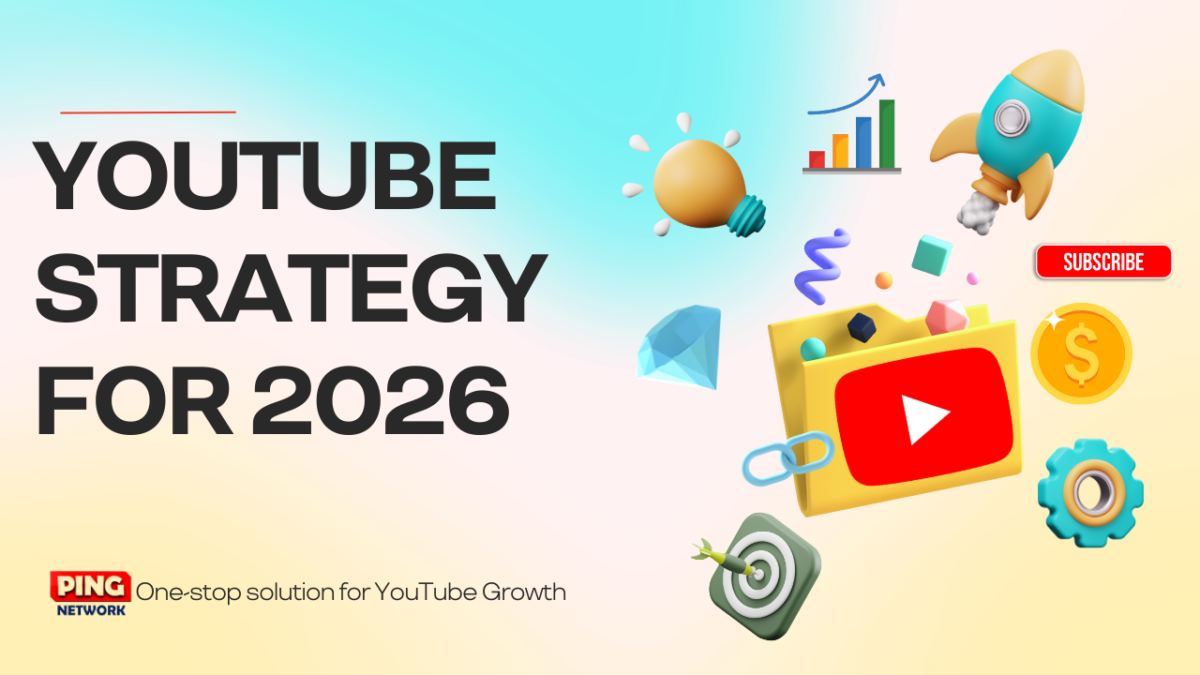
How To Grow YouTube Channel in 2026

The year 2025 has been one of quiet but significant transformation on YouTube. Instead of launching loud, flashy features, YouTube focused on strengthening the foundation of how content is discovered, protected, monetised, and analysed. These shifts may not look dramatic at first glance, but together they have reshaped the creator experience in a meaningful way. Here’s a simple, explanatory look at what genuinely changed on the platform this year and why it matters to creators, brands, and media companies to stay on top in the year 2026

Analytics Shift Toward ‘Meaningful Viewers’

YouTube has expanded its reporting to focus less on raw views and more on engaged, retained, and high-quality views. Creators can now clearly see the difference between someone who watches out of curiosity and someone who genuinely stays. Shorts, long-form, and live views are also more separated and easier to understand. This change pushes creators to think beyond just reach: the goal now is to build content that people commit to watching. The platforms’ algorithm also increasingly rewards this behaviour. This will help creators know what’s working for their content and what’s not.

YouTube Shopping Becomes a Core Revenue Layer

This year, we saw shopping move from being an “extra feature” to becoming a mainstream monetisation option. More creators gained the ability to tag products, integrate brand stores, and run affiliate-driven content natively within YouTube.
This matters because YouTube is officially positioning itself as a hybrid content + commerce ecosystem. For categories like beauty, electronics, and home, this shift is opening up revenue streams that do not depend on views or ad rates.

Courses Mature Into YouTube’s Learning Ecosystem

This year, YouTube Courses evolved from an experimental product into a full-featured learning platform. With structured modules, in-video quizzes, multilingual dubbing, and monetisation through one-time purchases, creators now have a realistic way to sell premium content without needing external platforms. For educators, chefs, fitness coaches, musicians, and skill-based channels, Courses have become a practical way to create long-term value, not just views.

Rights Management Becomes More Accurate

Content ID and CMS workflows were upgraded to reduce errors and speed up processing. Reference files are now matched more intelligently, duplicate detection is sharper, and ownership conflicts surface earlier. Manual claiming also became simpler for those who handle rights at scale. These changes protect revenue for rights owners while reducing the false matches that creators and MCNs often struggle with.

AI Tools Move Inside the Creator Workflow

This year, YouTube introduced and expanded several AI-powered tools that directly support content production. Creators can now auto-dub videos in multiple languages using near-exact voice cloning, generate backgrounds using Dream Screen for long-form, and receive automated editing suggestions to improve pacing and flow. The result is faster production cycles and reduced dependency on large teams—making high-quality content more accessible than ever.

Shorts Evolve With Longer Formats and Better Linking

YouTube quietly broadened the role of Shorts. Some creators can now upload Shorts up to 90 seconds, giving more space for storytelling. New linking options are helping bridge the gap between short-form discovery and long-form retention, finally making Shorts a reliable funnel rather than a standalone format. Creators who balance both formats strategically are seeing stronger channel health overall.

Stronger Policies Around AI, Safety, and Authenticity

With the rise of synthetic media, YouTube tightened guidelines around AI-generated content this year. Creators must now properly disclose deepfake visuals, cloned voices, and synthetic recreations. Enforcement around reused and low-quality compilation content also increased, while children’s content policies were refined to ensure safer viewing. These changes signal YouTube’s push for a transparent and authentic ecosystem where creators’ originality is protected.

Premium Viewing Expands Through Pay-Per-View

YouTube expanded Pay-Per-View access to more countries and content categories.
This feature is proving especially helpful for film releases, fitness workshops, high-value cooking classes, and educational masterclasses. It gives creators and production houses a revenue path that goes beyond ads, Shopping, or courses.

Thumbnail & Title Testing (Test & Compare)

One of the most impactful creator updates in 2025 was the wider rollout of Thumbnail and Title Test & Compare. YouTube now allows creators to experiment with multiple creative versions for the same video and automatically identify which option performs best based on real viewer behaviour, like CTR. This matters in 2026 because Growth will increasingly depend on creative optimisation, not just content quality. Creators and brands must treat thumbnails and titles as performance assets and build testing into their upload strategy.

Ask Studio & AI-Led Creator Guidance

In 2025, YouTube Studio evolved from a reporting tool into a strategic assistant with the introduction of Ask Studio. Creators can now ask questions directly inside Studio to understand why a video performed a certain way and receive AI-backed suggestions for titles, descriptions, and content improvements. This matters in 2026 because YouTube is actively guiding creator decisions from within the platform. Those who learn to interpret and apply these insights will be better positioned to adapt and grow.

Turn insights into impact with Ping, the best MCN in India
At Ping, we don’t just track trends, we decode them into content strategies that help creators and brands grow sustainably. From data-backed insights to execution-ready content frameworks, we help you stay ahead of the curve.
👉 Partner with Ping to build smarter, trend-led content strategies.
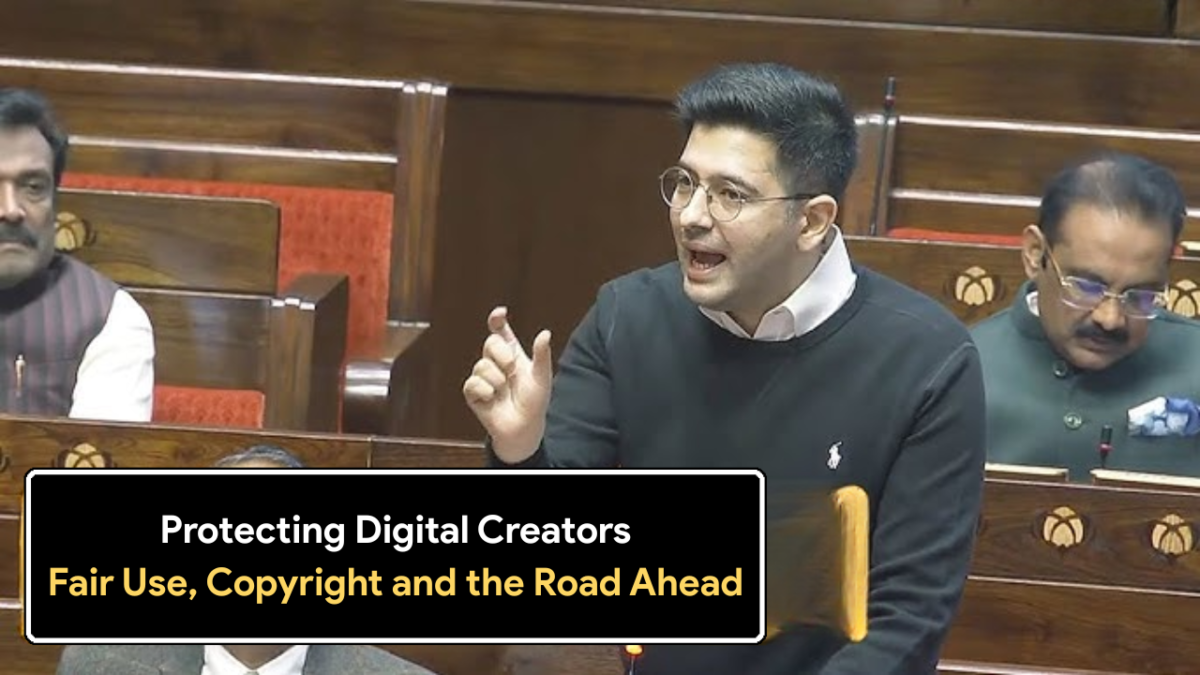
PING MCN on Raghav Chadha’s Copyright Reform for Digital Creators

India’s creator economy has matured rapidly. Today, a YouTube channel, music catalogue, or digital video library is not just “content” — it is a livelihood, a business asset, and often the result of years of consistent effort. Yet, the legal framework and platform-level safeguards meant to protect creators have struggled to keep pace with this growth. Recently, during proceedings in Parliament, Raghav Chadha raised an important concern — the growing number of creators facing account bans, takedowns, or monetisation loss for using extremely small or incidental portions of copyrighted material, often without malicious intent. His intervention has reopened a much-needed conversation around how copyright enforcement is being applied in practice on digital platforms.

What Was Highlighted in Parliament (In Simple Terms)

The core issue raised was not about defending piracy, but about disproportionate punishment. Creators today can face: Channel strikes or bans Video takedowns, Revenue blocks, even when the usage involves:

  • A few seconds of background audio
  • A brief visual clip used for explanation, commentary, or critique
  • Incidental music captured unintentionally during vlogs or live recordings

The concern is clear: small, non-substitutive usage is increasingly being treated the same way as full-scale infringement — and that imbalance puts creator livelihoods at risk

How Copyright Tools Are Being Misused Today

Copyright protection tools such as Content ID are essential to protect original work. However, their misuse or over-application has become increasingly common. Some real-world patterns we see include:

1. Claims on Negligible or Accidental Usage
Creators receiving strikes for: Background music is faintly audible in public spaces. TV screens are visible for a few seconds in lifestyle or vlog content. These uses rarely replace or compete with the original work, yet still trigger enforcement.

2. Automated Claims Without Human Review
Many claims are fully automated Context-agnostic Lacking human verification. As a result, educational, review, parody, or commentary content is often penalised unfairly.

3. False or Opportunistic Ownership Claims
In some cases Rights are claimed without legitimate ownership. Public-domain or properly licensed material is flagged.d Disputes become prolonged and opaque. This drains creators emotionally and financially, and creates a chilling effect where creators begin to self-censor out of fear.

Why This Is a Serious Problem for the Creator Ecosystem

For large studios, a wrongful claim may be an inconvenience. For independent creators, it can mean:

  • Sudden income loss
  • Channel termination
  • Years of work were raised overnight. 

When enforcement lacks proportionality, copyright stops being a protection mechanism and starts functioning like a blunt instrument. This is precisely why voices like Raghav Chadha’s matter — they signal that policymakers are beginning to recognise the ground-level realities faced by digital creators.

How PING MCN Uses Copyright Tools Responsibly

At PING MCN, we work closely with creators, labels, and rights holders. We believe copyright enforcement must be fair, transparent, and accountable.
Our approach is guided by three core principles:

1. Claims Only Where Legitimate Rights Exist
We ensure Proper documentation before onboarding content, clear ownership validation, and no speculative or bulk claims. Human intervention before enforcement. If rights are unclear, we do not claim.

2. Context-Aware Enforcement
We actively avoid claiming incidental or background usage, penalising commentary, review, or educational formats, and over-enforcement that erodes creator trust. Protection should never come at the cost of creativity.

3. Dispute Resolution Over Punishment
When conflicts arise, our priority is Dialogue, Evidence-based resolution, and Minimising disruption to creator earnings. The goal is rights protection, not creator suppression.

Looking Ahead : The Bigger Picture, Protection With Proportion

Copyright laws and tools are essential, but how they are applied matters just as much as why they exist. The conversation initiated by Raghav Chadha in Parliament reflects a growing realisation:

  • Digital creators need clarity, not fear
  • Enforcement must be proportionate, not automated punishment
  • Innovation thrives only when creators feel secure

At PING MCN, we strongly support any move that brings balance between rights holders and creators, and we remain committed to using copyright tools ethically, responsibly, and transparently. Raghav Chadha’s call to amend the Copyright Act is an important signal that India is beginning to take its digital creators seriously at a policy level.  

Discover how PING MCN empowers creators and rights holders with transparent, compliant Content ID and rights-management solutions.
Contact us now: https://www.pingnetwork.in/

Introducing Video-wise Content ID Protection

In today’s creator economy, protecting your original content is just as important as creating it. Every video you upload represents your creativity, effort, and potential revenue, yet without the right protection, it can easily be reused or monetised by someone else.

That’s where YouTube’s Content ID system comes in as a powerful tool that detects and manages unauthorised re-uploads of your videos across the platform.

Why Content ID Matters

For most independent creators, access to YouTube’s Content ID is limited. Only networks, rights holders, or large production companies typically get direct access to the system. This means that individual creators, even those producing high-quality original content, often have no way to protect their videos beyond manual copyright claims, which are slow and inconsistent.

With Content ID, creators can:
1. Automatically detect copies of their videos across YouTube.

2. Choose what happens next — monetise, track, or block those copies.

3. Earn additional revenue when others reuse their work legitimately.

4. It’s the ultimate protection-plus-monetisation tool for serious creators.

Ping Network’s New Offering: Content ID Without Channel Linking

At Ping Network, we’re making this powerful technology accessible to more creators, but with a difference. Traditionally, to get Content ID protection through an MCN (Multi-Channel Network), creators had to link their entire channel to the MCN’s YouTube CMS. That can feel restrictive, especially for creators who want to retain full independence and control over their channels.

With our new Video-wise Content ID service, that’s no longer necessary.
You can now protect specific videos without linking your entire channel to our CMS.

That means:
✅ You keep complete control of your channel.
✅ Only the selected videos are added under Content ID protection.
✅ We handle the claim management, reporting, and monetisation transparently.

It’s flexible, simple, and designed for creators who value both freedom and security.

A Win-Win-Win Partnership

Our goal is to make Content ID accessible, affordable, and beneficial for everyone involved: the creator, the rights holder, and Ping Network.

Win for Creators: Your original work stays protected, and you earn from any reuse.

Win for the Platform: Cleaner rights management means a healthier ecosystem.

Win for Ping: We grow alongside creators who trust us to manage their content responsibly.

We offer minimal monthly charges, depending on the number of videos you choose to protect. No hidden fees, no long-term lock-ins, just transparent support.

Protect. Monetize. Grow.

If you’re a creator who regularly invests in high-quality videos from music and short films to educational and entertainment content, this is your chance to take control of your rights and earnings.

👉 Get your videos protected with Ping’s Video-wise Content ID Service.
Reach out to us, visit www.pingnetwork.in to get started.

Mistakes New YouTubers Make — And Is It Too Late to Enter the Creator Economy?

The YouTube Dream Isn’t Dead, It’s Just Evolved

Every year, millions of people launch new YouTube channels — some for passion, some for profit, and many for both. Yet, the truth is harsh: most channels never make it past their first 100 subscribers. Not because the platform is saturated, but because creators repeat the same avoidable mistakes over and over again.

The good news? The creator economy is far from “too late.” It’s simply more strategic. Those who understand the game — the algorithm, analytics, and audience — can still build thriving digital empires.

Let’s break down the biggest mistakes new YouTubers make, and what you can do differently today.

1. Chasing Virality Instead of Building Consistency

Most new creators upload one or two videos, get low views, and give up. Others jump on every trend, hoping for a viral breakout. But YouTube rewards consistency, not chaos.

The algorithm learns from your upload frequency and topic consistency if your content keeps changing. cooking one week, gadgets the next. YouTube doesn’t know who to recommend you to.

👉 Pro tip: Pick one niche, one style, and commit to it for at least 90 days before you judge results.

2. Ignoring the First 15 Seconds

YouTube audiences have zero patience. If your video doesn’t hook them in the first 15 seconds, your retention rate crashes, and so does your reach.

A slow intro, long logo animation, or vague talking point is enough for viewers to swipe away.

👉 Fix it: Start your video with energy. Pose a question, show the outcome first, or highlight the “why” before the “how.”

3. Poor Thumbnails and Metadata

Many new creators spend hours shooting and editing, but only seconds on thumbnails and titles. Yet, that’s what determines whether someone clicks in the first place.

👉 Fix it:

  • Use bold, readable text.
  • Keep faces expressive and backgrounds simple.
  • Add curiosity, not clickbait.
  • Write titles like headlines: “How I Grew My Channel in 30 Days (Without Ads).

And don’t forget your tags, keywords, and descriptions — they still matter for YouTube SEO.

4. Treating Shorts as “Extra” Content

Shorts aren’t optional anymore; they’re the gateway to audience discovery. But many creators ignore them or post random clips without context.

👉 Fix it:
Use Shorts strategically to drive traffic to your long-form videos. Create 15–30 second “trailers” that tease your main content and include clear CTAs like: “Watch the full recipe/video on our channel!

5. Focusing on Views Instead of Community

A channel can have a million views but zero loyalty. The real goal is community — people who comment, share, and return.

👉 Fix it:

  • Use the Community tab.
  • Reply to comments.
  • Ask your viewers questions.
  • Go live occasionally to connect directly.

6. Neglecting Channel Hygiene

From broken playlists to missing end-screens, poor channel maintenance sends a bad signal to both viewers and YouTube’s system.

👉 Fix it:

  • Organise your homepage with structured playlists.
  • Add a channel trailer and featured video.
  • Update your “About” section with keywords and links.
  • Keep branding (banners, logos, fonts) consistent.

7. Not Studying Analytics

YouTube Studio isn’t just numbers; it’s insight. Most beginners upload blindly, never checking retention graphs, traffic sources, or watch-time peaks.

👉 Fix it:

Learn to read your analytics weekly. Focus on:

  • Click-through rate (CTR): Are people clicking your thumbnails?
  • Average view duration: Are they staying?
  • Returning viewers: Are they coming back?

So… Is It Too Late to Start a YouTube Channel?

Absolutely not. What’s changed is the approach. The platform has matured — but so have the opportunities.

With AI tools, YouTube Shopping, Pay-Per-View, Courses, and Creator Music, monetisation options are more diverse than ever. You don’t need millions of views; you need strategy, focus, and the right network behind you.

🚀 Partner with Ping Network and Build Smart from Day One

At Ping Network, we’ve helped hundreds of creators from food vloggers to tech reviewers avoid these costly mistakes and grow sustainably.

Whether you’re starting from scratch or want to reboot your channel, our team can help with:

  • Metadata & SEO optimisation
  • Content ID & rights management
  • Audience and performance audits

Brand partnerships & monetisation strategies

🎯 Don’t just start a channel. Build a brand.
👉 Reach out to Ping Network today to get your personalised creator growth roadmap and make sure your next upload works for you, not against you.

📩 Visit PingNetwork.in or contact our team to get started.

🚨 YouTube’s New AI Content Policy: What It Means for Creators (And How to Stay Safe)

In July 2025, YouTube made a major announcement that has left many YouTube creators confused, worried, and curious.

“Is YouTube banning AI-generated content?”
“Will my monetization be removed?”
“Can I still use tools like ChatGPT or text-to-voice AI?”

As the best YouTube CMS providers, we at Ping Network work with creators every day. So we’ve broken it all down for you: what this new update says, how it affects you, what you should and shouldn’t do, and how you can still use AI—legally and ethically to boost your creativity without putting your channel at risk.

What Exactly Is the New YouTube Update?

On July 15, 2025, YouTube updated its monetization policies to crack down on what it calls “reused, low-quality, and mass-produced content.” This mostly targets AI-generated videos that are published in bulk without much human involvement.

This doesn’t mean you can’t use AI at all.

But it does mean you can’t rely only on AI to create videos that:

  • Look the same every time
  • Have no real personal or creative touch
  • They are made just to “game” the algorithm

Is YouTube Banning AI Content?

No, YouTube is not banning AI-generated content.
But it is demonetizing (removing ads and earnings) from content that:

  • Is auto-generated with very little editing or value
  • Is overly repetitive or looks like it’s been mass-produced
  • Uses synthetic voiceovers without personality or context
  • Is copied from other sources without significant transformation

In short: If your video looks like it was made in 5 minutes with zero thought, you’re at risk.

Examples of Content That Might Get Demonitized

  • A video with just a robot voice reading a Wikipedia article
  • A slideshow of stock photos with AI narration and no editing
  • Re-uploading someone else’s content with minor changes
  • Publishing 10 similar videos daily with no unique angle

Even if AI made it easier for you, YouTube is asking: “Did YOU bring anything original to this?”

What Kind of AI Use is Still Safe?

Here’s the good news: You can still use AI as a tool.
You just need to use it responsibly and creatively.

  • Using AI to brainstorm video ideas.
  • Creating rough drafts or outlines for your script.
  • Voiceovers with real emotion and editing.
  • Editing help like captions, cut suggestions, or B-roll search.
  • AI visuals that are combined with your original commentary or story
    🔑 Key Rule: AI should assist your creativity—not replace it.

Do’s and Don’ts: Staying Safe Under the New Policy

How Creators Can Still Use AI Without Breaking the Rules

DO

  • Add your personal voice, insights, or emotions
  • Show your face, speak on camera, or narrate in your own voice
  • Edit AI content meaningfully—cut, comment, explain, remix
  • Use AI for support, not full automation
  • Be transparent if you’re using AI for storytelling or visuals

DON’T

  • Rely entirely on text-to-video AI tools for your uploads
  • Publish content that feels soulless or robotic
  • Upload repetitive formats (same template, different topic)
  • Use AI to copy or summarize articles and pass it off as your own
  • Expect quantity over quality to succeed anymore
AI is like a camera, an editing app, or a scriptwriting tool—it’s powerful if used right. Here’s how you can use it smartly:

Why Is YouTube Doing This?

Because the platform is getting flooded with AI spam.
Thousands of faceless channels are uploading junk content created with a few prompts and monetizing it without adding any value to viewers.
YouTube wants to:

  • Encourage original storytelling
  • Maintain quality content for users
  • Reward human creativity, not robotic repetition

This is not a punishment, it’s a course correction.

Ping Network’s Advice to Creators
Here’s what we at Ping recommend to stay compliant and still grow your channel using AI:

Audit your recent videos

Are they repetitive? Lacking personality?

Mix in human presence

Use your voice, face, opinion, or humor

Use AI for support, not shortcuts
Update your "About" section

to show transparency in your process

Final Thoughts

YouTube isn’t against AI.
It’s against lazy, soulless, low-effort content. Whether it’s made by a human or a machine.

If you’re a thoughtful creator who uses AI as a tool, not a crutch—you’re safe.
You’re ahead of the game.

Have Questions?

Do you make such authentic and appealing content? Want us to partner with you to enhance your content even more? 📩 Reach out to us at Contact. We’ll help you grow safely and smartly.

❓ Frequently Asked Questions (FAQ)

Is YouTube banning all AI-generated content?
No, YouTube is not banning AI-generated content. It is targeting low-effort, repetitive, or inauthentic content that appears mass-produced—often made entirely by AI with little or no human input. If you’re using AI responsibly and creatively, you’re still in the clear.
Yes, you can. But don’t rely on them alone. Use ChatGPT for ideas or rough scripts, then rewrite them in your tone. If using AI voiceovers, make sure they are expressive, edited well, and part of a video that offers value beyond just AI narration.

Not automatically. YouTube’s focus is on current and future uploads. However, if your older videos are flagged as repetitive or inauthentic, they might be reviewed or demonetized. We recommend reviewing past uploads and unlisting or improving any that may appear low-effort or auto-generated.

Generative Engine Optimization (GEO): Future Of SEO

In 2025, AI platforms like ChatGPT and Google SGE (Search Generative Experience) are revolutionizing how people find and consume videos.
In this new landscape, SEO is no longer enough. The rise of AI-powered answer engines such as ChatGPT, Perplexity, and Google SGE has ushered in a new paradigm in content visibility:

👉 Generative Engine Optimization (GEO).

While traditional SEO focused on keywords and ranking in search results, GEO is about getting your content.

  • Cited
  • Quoted
  • Surfaced in AI-generated answers

For YouTube creators, this shift brings both huge opportunity and a new challenge.

What is Generative Engine Optimization (GEO)?

GEO is the art of crafting your:

  • Titles
  • Descriptions
  • Metadata
  • Transcripts
  • Surrounding mentions (e.g. blogs, Reddit)

…so your content is:

  • Pulled into LLM responses (like ChatGPT or Bard)
  • Referenced in AI snippets (e.g. Google’s AI Overviews)
  • Recommended in conversational search results

Think of GEO as Answer Engine Optimization 2.0—built for a world where users don’t search, they ask… and expect instant AI-powered replies.

Is GEO Replacing SEO?

Not quite—but it’s redefining it. Here’s how they differ:

Here’s how:

SEO (Then)

GEO (Now)

The takeaway?

SEO helps you get found.
GEO helps you get included.

Why GEO Matters for YouTube Creators

AI engines are already surfacing YouTube videos in responses—but only if your content checks a few boxes:

✅ Answers a clear question
✅ Includes structured metadata and transcripts
✅ Comes from a channel that is authoritative and relevant

Imagine this:

When someone asks:

🗣 “What’s a healthy Indian fasting recipe for Shravan?”
or
🗣 “How do I monetize old TV content via YouTube?”

Your video could be the one the AI picks.
That’s GEO in action—and that’s the future of discoverability.

How PING Helps You Win with GEO

As India’s leading MCN, PING Network has always stayed ahead with YouTube growth, metadata science, and rights optimization. Now, we’re leading the way in GEO for creators, brands, and content owners.
Here’s how we help you dominate in the GEO era:
Metadata Crafting for AI Indexing

Titles and tags that align with user prompts, not just search terms.

Transcript Structuring & Highlighting

Clean, structured, and LLM-readable transcripts.

Generative Prompt Mapping

We reverse-engineer real AI queries to ensure your content becomes the best answer.

Content Repurposing for Co-Citation

Blog posts, Reddit mentions, social snippets—more citations, more visibility.

GEO Footprint Monitoring

Using proprietary tools to track how often AI engines mention your content—and optimize based on real data.

How PING Helps You Win with GEO

As India’s leading MCN, PING Network has always stayed ahead with YouTube growth, metadata science, and rights optimization. Now, we’re leading the way in GEO for creators, brands, and content owners.

Here’s how we help you dominate in the GEO era:

Metadata Crafting for AI Indexing

Titles and tags that align with user prompts, not just search terms.

Transcript Structuring & Highlighting

Clean, structured, and LLM-readable transcripts.

Generative Prompt Mapping

We reverse-engineer real AI queries to ensure your content becomes the best answer.

Content Repurposing for Co-Citation

Blog posts, Reddit mentions, social snippets—more citations, more visibility.

GEO Footprint Monitoring

Using proprietary tools to track how often AI engines mention your content—and optimize based on real data.

Future-Proof Your YouTube Channel

The YouTube algorithm is no longer the only game in town.
AI-generated visibility is the new battleground, and PING is your partner to win it.
Whether you’re a:

  • Creator growing a niche channel
  • Brand is trying to dominate your category
  • Media company monetizing a video library

FAQs: GEO for YouTube Creators

📩 Let’s Talk.

Want to know how your content performs in AI-generated discovery?
Or ready to make your next video GEO-ready from the start?

Let’s grow your AI visibility together.

FAQs: GEO for YouTube Creators

How can I get my YouTube video to show up in AI-generated answers?
Use a clear, question-style title and ensure your description and transcript directly answer that question. Keep metadata fresh and context-rich.
No—it enhances it. SEO helps humans find your video. GEO helps AI find and cite your content in natural-language answers.
How-tos, explainers, niche topics. Videos like “How to monetize Bhojpuri films on YouTube” or “What to eat during Shravan fast?” are perfect for GEO.
Yes! Start with your evergreen videos. Update titles, descriptions, and transcripts to align with conversational search intent.
Public dashboards don’t exist yet, but PING’s tools monitor keyword citation trends and track mentions across AI outputs.

Rewrite your video title as a question.

Instead of “Shravan Vrat Thali,” try:

  •  “What is a complete Shravan Vrat Thali made with Sabudana?”

GEO Quick Wins for Creators

Write Titles as Questions

How do I make Sabudana Khichdi for fasting?

Include User Questions in Descriptions

This video answers: What is the best way to monetize regional films on YouTube?

Use Natural Language in Transcripts

Avoid robotic tone. Talk like your viewer.

Start with a Hook that Matches Intent

“Wondering how to license old Doordarshan TV content? Watch this.”

Reinforce Your Niche Naturally

“This Marathi food channel shares traditional Shravan recipes...”

Add Alt Text + Captions on Blog Embeds

Helps AI parse video context better.

Repurpose Your Script

Turn it into a blog post, LinkedIn article, or Quora answer. More formats = more GEO visibility.

How To Turn Your Content Into Revenue: PING MCN Makes AVOD Work for You

In a world where subscriptions are maxed out and audiences crave free content, AVOD (Ad-Supported Video on Demand) has emerged as the most underutilized goldmine for content owners.
Being the best MCN in India, at PING MCN, we help film studios, sports leagues, TV producers, and global aggregators unlock new revenue from their content libraries, without giving up rights or control. Whether you’ve got legacy films, unreleased TV content, or sports archives gathering dust, AVOD—especially on YouTube, offers a powerful opportunity.
Let’s walk you through how it works and how we help.

First Things First: What Exactly Is AVOD?

AVOD stands for Ad-Supported Video on Demand. Simply put, instead of asking audiences to pay to watch your content (like Netflix or Disney+), AVOD platforms such as YouTube offer it for free and generate revenue through advertising.
For creators and rights owners, it’s a win-win:

  • Your content becomes instantly accessible to millions globally
  • You earn revenue every time someone watches without building your platform
  • Even older or under-promoted content can find new life (and earnings)

Why AVOD Is Taking Over And Why You Should Consider This Now

Audiences are overwhelmed with subscriptions. With multiple paid streaming apps on the market, users are cutting back. AVOD offers a “free to watch” experience that’s gaining massive traction. especially in emerging markets.

YouTube is leading this shift. With over 2 billion monthly logged-in users and an advanced ad platform, YouTube is now the world’s largest AVOD platform. It’s where global audiences discover new films, follow athletes, and binge content across languages and cultures.

Emerging markets are watching, but hard to monetize. Countries like Egypt, Vietnam, and parts of MENA and South Asia are consuming more content than ever, but USD payouts, tax issues, and policy barriers make it hard to monetize directly. That’s where we come in.

Here’s How Ping MCN Helps You Make the Most of YouTube

Our AVOD stack is designed for content owners who want to scale safely, compliantly, and profitably. without building a team from scratch. And to do so, here’s what we offer

SEO (search engine optimization)

We optimize your videos with SEO-friendly titles, descriptions, and tags to boost discoverability, rank higher in search results, and attract the right audience.

CMS Access & Onboarding

We onboard your films, shows, or sports footage into our YouTube-affiliated CMS, so you don’t need to worry about backend setups or AdSense headaches. You keep creative and rights control. We just handle the infrastructure.

Content ID Setup & Optimization

Using YouTube Content ID, we track and claim any UGC (user-generated content) that uses your footage. From trailers to clips to fan edits, we ensure you earn from every use, not just your uploads.

Territorial Rights Management & Geo-Blocking

Have your film licensed in one country but not another? We enforce geo-blocking to protect your contracts while enabling monetization in available territories. This keeps your legal teams happy and your earnings active.

Ad Monetization Optimization

We optimize where and how ads appear on your content using smart pre-roll/mid-roll strategies, improving RPM (revenue per thousand views), and adjusting for regional audience behavior. Small tweaks, big returns.

We Keep the Numbers Crystal Clear

Our reporting dashboard gives you full visibility:

  • Title-level and country-level earnings
  • Forecasts and trends
  • Monthly USD-based payouts via PayPal or Payoneer No spreadsheets. No chasing data. Just clarity.

Policy & Compliance Support

YouTube changes its rules often. We guide you through:

  • Copyright and policy standards
  • Metadata best practices
  • Ad Policy and monetization eligibility
So your content reaches the right audience and stays visible, monetized, and protected.

Who We Work With

We work best with creators who own high-potential content but need help unlocking its revenue on YouTube. Here are just a few examples:

Aggregators in Egypt, Vietnam, and Turkey

We help regional rights holders navigate payout restrictions, geo-monetization, and cross-border compliance. Our team bridges the gap between global platforms and local complexity.

🚀 Don’t Let Your Content Sit Idle. It Can Be Earning Today.

If you’re sitting on a content catalog that’s under-monetized or worse, untouched, now is the time. You don’t need to build an app, hire an in-house tech team, or chase new distributors. You just need the right partner who understands the platform, knows the policies, and identifies the possibilities.

Curious to See What’s Possible with your content?

Let’s talk about how your content can start earning globally, compliantly, and efficiently.
Whether you’re :

  • 🎬 Film studio with digital rights
  • 📺 TV producer testing YouTube-first distribution
  • ⚽ Sports federation with legacy footage
  • 🌍 Aggregators from Egypt, Turkey, Vietnam, or beyond

We’re here to help you scale.

👉 Email us: partner.support@pingnetwork.in
👉 Or book a quick discovery call: https://www.pingnetwork.in

MCN vs. Going Solo: Why Smart Creators Choose Media Support

Why Every Creator Needs a Media Partner to Truly Grow

The internet has made it possible for anyone with a camera and a story to become a creator. But as the creator economy grows, so does the pressure to be everywhere, do everything, and somehow still stay creative. If you’re a creator, you’ve probably felt it: the constant balancing act between making great content and managing everything else—production, optimization, publishing, monetization, community building, and brand outreach. It’s more than a full-time job.

And that’s the real reason why more creators today are choosing to work with media partners or MCNs (Multi-Channel Networks). Not just to “get more views,” but to build something sustainable, strategic, and scalable.

Creating is Just One Part of the Journey

Let’s face it: great content doesn’t always equal great results. You might have a powerful voice, an inspiring story, or a loyal community—but if your content isn’t reaching the right audience, getting discovered, or being monetized effectively, you’re leaving potential on the table. A media partner brings structure to the chaos. They step in where creators often burn out—handling the behind-the-scenes work so creators can focus on their craft.

What a Good Media Partner Really Does

🛠 Handles the Tools, So You Can Focus on the Talent

From SEO to scheduling, policy issues to thumbnails—media partners understand platforms like YouTube inside out. They take care of the details that affect performance but often get overlooked.

🎬 Adds Professionalism to the Process

You don’t need to do it all alone. With access to production support, editors, and strategists, your content not only gets created—it gets elevated.

📈 Helps You Grow with Purpose

It’s not just about going viral. It’s about building a sustainable audience, analyzing what works, and improving over time. Media partners bring data, experience, and insight into your creative process.

🔐 Protects Your Content and Monetization Rights

A creator’s work is their IP. Having a CMS-enabled partner means better asset protection, policy control, and revenue tracking across platforms.

🤝 Opens Doors to Brands and Collaborations

As a solo creator, it’s tough to break into brand networks or organize collaborations. A media partner connects you with like-minded creators and helps you land meaningful partnerships, not just one-off deals.

It’s Not About Giving Up Control—It’s About Getting the Right Support

The conversation around MCNs has always been framed incorrectly. Most creators assume that joining a network means handing over control, when in reality, the bigger problem today isn’t control; it’s clarity.

In 2026, creators are not struggling to upload content. They are struggling to understand why some content works and some doesn’t. A video gets impressions but no clicks. Another gets clicks but drops in retention. A third performs well but doesn’t scale. These are not effort problems; they are interpretation problems. This is where the idea of support becomes relevant. Not in the form of someone managing your channel, but in the form of someone helping you read what’s actually happening. Because when you are too close to your own content, it becomes difficult to objectively assess it. The right media partner doesn’t limit your creative control. It removes the friction between effort and outcome. It helps you see patterns, make better decisions, and build direction into your content instead of relying on trial and error.

So, Why Not Just Go Solo?

Going solo works—until it doesn’t. Most creators experience initial growth through experimentation. They try different formats, follow trends, and eventually something clicks. But over time, that growth starts becoming inconsistent. Videos stop compounding. What worked earlier stops working the same way. This is where the limitation of going solo becomes visible. When you are working alone, every decision comes from your own perspective. You are analyzing your own data, validating your own ideas, and correcting your own mistakes. That loop can only take you so far because it lacks external reference.
The issue is not capability. It’s visibility. You don’t always know whether a problem lies in your content, your packaging, or your audience targeting. And without that clarity, most creators either overcorrect or stay stuck repeating the same patterns. A structured support system changes that. It brings in context from outside your channel—patterns observed across different creators, different niches, and different audience behaviors. That broader view helps you make more informed decisions, faster. The difference is not in effort. It’s in direction.

The creator economy is growing—but so is the competition. The smartest creators aren’t doing more. They’re doing what they do best—and letting the right partners do the rest.

Let Ping Be That Partner

At Ping Network, the approach is built around one simple idea—creators don’t need control taken away, they need clarity added. Instead of forcing creators into rigid systems, the focus is on understanding what is already happening on their channel and improving it. Why is a video being pushed but not converting? Why does certain content attract new viewers but fail to bring them back? Why monetisation feels limited despite consistent uploads. From there, the goal is to build structure. Not just in content, but in how the channel grows, how revenue is generated, and how decisions are made.

At the same time, flexibility remains important. Not every creator wants full channel-level involvement. That’s why solutions like video-wise Content ID protection exist—allowing creators to protect and monetise their content without handing over their entire channel. Because ultimately, growth today is not about doing more. It’s about doing the right things consistently. If you’re at a stage where effort is not translating into results, the problem is rarely your content alone. It’s the lack of a system around it. And that’s exactly where the right partner makes the difference.

Niche Over Mass Appeal: Why Micro-Creators Are Winning on YouTube

In a digital landscape dominated by mega-influencers with millions of followers, one might think that “bigger is better” when it comes to succeeding on YouTube. However, the rise of micro-creators—those with smaller but highly engaged audiences—has turned this assumption on its head. Here’s why micro-creators are thriving on YouTube and how they are reshaping the creator economy.

1. The Power of Community

  • Deep Connection: Micro-creators excel at fostering strong bonds with their audience by catering to niche interests. For instance, a micro-creator focused on sustainable fashion appeals to eco-conscious viewers who share their values. This shared passion creates a sense of belonging and trust, fostering loyalty that larger creators might struggle to achieve.
  • Engagement: Smaller communities tend to be more interactive. Audiences feel valued when their comments are acknowledged, and their opinions are heard, which strengthens the creator-audience relationship.

Key Implication for Creators: By understanding and serving a specific niche, micro-creators can build a dedicated community willing to support them through likes, shares, and even purchases.

2. Authenticity Over Gloss

  • Relatability Wins: Unlike mega-creators who often face commercial pressures to maintain a polished image, micro-creators can afford to stay raw and genuine. This relatability makes their recommendations feel personal and credible.
  • Trustworthiness for Brands: Consumers today value authenticity, which makes micro-creators powerful allies for brands looking to connect with audiences in a non-intrusive way. For instance, a micro-creator reviewing skincare products authentically is perceived as more credible than a celebrity influencer promoting a high-budget ad.

Key Insight for Brands: Authentic storytelling by micro-creators drives more meaningful interactions than highly produced, impersonal campaigns.

3. Higher Engagement Rates

  • Quality over Quantity: While mega-creators may have millions of followers, their engagement often drops as their audience becomes too broad. Micro-creators, however, boast significantly higher engagement rates because they interact directly with a smaller group of highly invested viewers.
  • Examples of Engagement: Activities like replying to comments, addressing specific audience questions, or hosting intimate live sessions allow micro-creators to cultivate deeper relationships.
    Stat Highlight: Studies indicate micro-creators enjoy up to 60% higher engagement rates than their larger counterparts, a goldmine for both creators and brands seeking genuine interactions.

4. The Rise of Hyper-Specific Content

  • Algorithmic Advantage: YouTube rewards content that aligns closely with user interests. Micro-creators who produce specialized content—such as miniature painting tutorials or gluten-free baking recipes—are more likely to appear in search results or suggested videos.
  • Niche Wins: As audiences look for content tailored to their specific interests, micro-creators become the go-to experts in their fields.

Trend Insight for Creators: Focus on creating content that deeply resonates with your niche. By addressing unique interests, you increase the likelihood of gaining loyal followers and benefitting from algorithm-driven discoverability.

5. Cost-Effective Collaborations for Brands

  • Targeted Reach: Collaborating with micro-creators allows brands to connect with well-defined audiences without overspending on a single campaign. For example, a beauty brand can partner with multiple skincare-focused creators to tap into diverse sub-niches within the beauty market.
  • ROI Boost: Micro-creators often deliver better ROI due to their highly engaged audiences. Instead of casting a wide, expensive net, brands achieve precise targeting and deeper connections.

Case Study: A brand working with five micro-creators in skincare niches may see better results—more clicks, higher trust, and stronger conversions—than with a single mega-influencer promoting the same product.

How to Leverage This Trend

For Creators:

  • Focus on a Niche: Identify and dominate a specific niche where you can add unique value. This will help you attract a loyal audience and stand out in a crowded landscape.
  • Engage Authentically: Interact with your audience on a personal level. Reply to comments, ask for feedback, and make them feel part of your journey.
  • Collaborate Strategically: Partner with brands or creators that align with your values and audience interests. Authentic partnerships enhance your credibility.

For Brands:

  • Look Beyond Metrics: Don’t prioritize subscriber count alone. Evaluate creators based on engagement rates, audience demographics, and trustworthiness.
  • Diversify Collaborations: Instead of investing in one large campaign, work with multiple micro-creators to reach varied but targeted audiences.
  • Leverage Storytelling: Collaborate with micro-creators to create genuine, story-driven campaigns that align with their content style.

Ping Network stands as a valuable partner for micro-creators by:

  • Channel Growth: Helping creators refine their niche, optimize content strategies, and grow their audience organically.
  • Brand Collaborations: Connecting creators with relevant brands for mutually beneficial partnerships that resonate with their audience.
  • Comprehensive Support: Offering tools, resources, and mentorship to turn creators’ passions into thriving careers.

In today’s digital age, success isn’t about having the largest audience—it’s about having the most engaged one. Micro-creators exemplify the power of quality over quantity, reshaping the creator economy by proving that smaller, more intimate connections are far more impactful than large, impersonal followings.

If you’re ready to embrace your niche and scale your impact, Ping Network is here to help you every step of the way. Together, let’s turn your passion into a flourishing career.

10 YouTube Mistakes to Avoid in 2025

1. Ignoring Short-Form Content

With the continued rise of YouTube Shorts, creators who fail to produce short-form videos are missing a golden opportunity. Shorts cater to the fast-scrolling audience that consumes bite-sized content quickly.

Why it matters:

  • Shorts are heavily promoted by YouTube’s algorithm, often reaching audiences beyond your subscribers.
  • They are a great way to test ideas, promote longer content, and boost channel visibility.

How to avoid this mistake:

  • Create engaging, high-impact content under 60 seconds.
  • Use trending sounds and hashtags to increase discoverability.

2. Not Optimizing for AI-Powered Search

YouTube’s search and recommendation systems are increasingly driven by AI, focusing on viewer preferences and intent. If your videos don’t align with this, they won’t surface as recommended content.

Why it matters:

  • Viewers are searching for specific solutions, entertainment, or trends. Without optimized metadata, your videos might not appear in their search results.

How to avoid this mistake:

  • Use targeted keywords in your titles, descriptions, and tags.
  • Write clear, compelling video descriptions that outline the value viewers will get.
  • Include relevant keywords in your script for closed captions.

3. Overloading Videos with Ads

Ad revenue is important, but too many ads, especially mid-rolls, can frustrate viewers and lead to drop-offs.

Why it matters:

  • Excessive ads can harm audience retention and negatively impact your channel’s reputation.
  • Viewers may associate your channel with a poor user experience.

How to avoid this mistake:

  • Use ads sparingly in videos under 10 minutes.
  • Strategically place mid-roll ads during natural breaks in videos over 10 minutes.
  • Monitor audience retention analytics to identify where viewers drop off.

4. Inconsistent Upload Schedule

Uploading irregularly confuses your audience and makes it harder for the algorithm to promote your content consistently.

Why it matters:

  • A regular schedule builds anticipation and viewer loyalty.
  • Inconsistent uploads reduce engagement and hurt your rankings.

How to avoid this mistake:

  • Commit to a schedule (e.g., weekly, bi-weekly).
  • Use tools like YouTube Studio to schedule uploads in advance.
  • Prioritize quality over quantity but maintain predictability.

5. Neglecting Mobile Viewers

A significant portion of YouTube traffic comes from mobile users. If your videos, thumbnails, or text overlays aren’t mobile-friendly, you risk losing potential viewers.

Why it matters:

  • Mobile users expect visuals and text to be clear and easy to interact with on small screens.

How to avoid this mistake:

  • Design bold, simple thumbnails with large, legible text.
  • Ensure on-screen text is not cut off on smaller screens.
  • Use vertical formats for Shorts to cater to mobile viewers.

6. Skipping Community Engagement

Community engagement is crucial for fostering loyalty and building a strong fan base. Ignoring comments or neglecting community posts can alienate your audience.

Why it matters:

  • Engagement improves algorithm performance as it signals high viewer interest.
  • Loyal viewers are more likely to share and promote your content.

How to avoid this mistake:

  • Respond to comments and encourage discussions.
  • Use polls, questions, and posts in the Community tab to interact with subscribers.
  • Address viewer feedback in your content to show you value their opinions.

7. Ignoring Data Analytics

YouTube Studio provides powerful insights into how your channel and videos are performing. Ignoring these metrics means you’re making decisions in the dark.

Why it matters:

  • Analytics reveal what your audience likes, where they drop off, and how they find your content.

How to avoid this mistake:

  • Regularly review audience retention, click-through rates (CTR), and watch time.
  • Use demographic data to tailor content to your audience.
  • Identify high-performing content and create more in that style or topic.

8. Underestimating Collaboration Opportunities

Collaborations with other creators can significantly expand your reach, but many creators shy away from them due to competition fears or lack of initiative.

Why it matters:

  • Collaborations introduce your channel to a new, relevant audience.
  • They create diverse, engaging content for both creators.

How to avoid this mistake:

  • Reach out to creators in your niche or with complementary audiences.
  • Plan collaborative content that benefits both parties.
  • Promote each other’s channels in the video and description.

9. Overlooking the Importance of Playlists

Playlists are often underutilized, even though they improve watch time and help organize your content.

Why it matters:

  • Playlists keep viewers watching multiple videos in one session, boosting session watch time.
  • They help new viewers find content relevant to their interests.

How to avoid this mistake:

  • Group related videos into playlists with clear, descriptive titles.
  • Use playlists to guide viewers through a content journey, e.g., “Beginner’s Guide to X.”
  • Promote playlists in video descriptions and end screens.

10. Focusing Solely on Subscribers

While growing your subscriber count is important, it’s not the only metric for success. Engagement, watch time, and content quality matter more in 2025.

Why it matters:

  • YouTube prioritizes viewer engagement and watch time over subscriber count in its recommendations.
  • Obsessing over subscriber milestones can distract from creating valuable content.

How to avoid this mistake:

  • Focus on creating high-quality, engaging content.
  • Encourage viewers to watch multiple videos, not just subscribe.
  • Celebrate milestones but prioritize building a loyal community over raw numbers.

Conclusion

Avoiding these mistakes requires staying informed, prioritizing your audience, and embracing new trends. YouTube’s dynamic nature rewards creators who adapt quickly and focus on delivering value. By avoiding these pitfalls, you’ll position your channel for sustainable growth in 2025.

Ready to elevate your YouTube channel in 2025? Partner with Ping Network to optimize your strategy, create engaging content, and avoid costly mistakes. Contact us today to start growing!

PING NETWORK WHITE

Drop Your Email & Stay in the Loop