YouTube Introduces Shorts Time Limits for Teens: What Parents & Creators in India Should Know

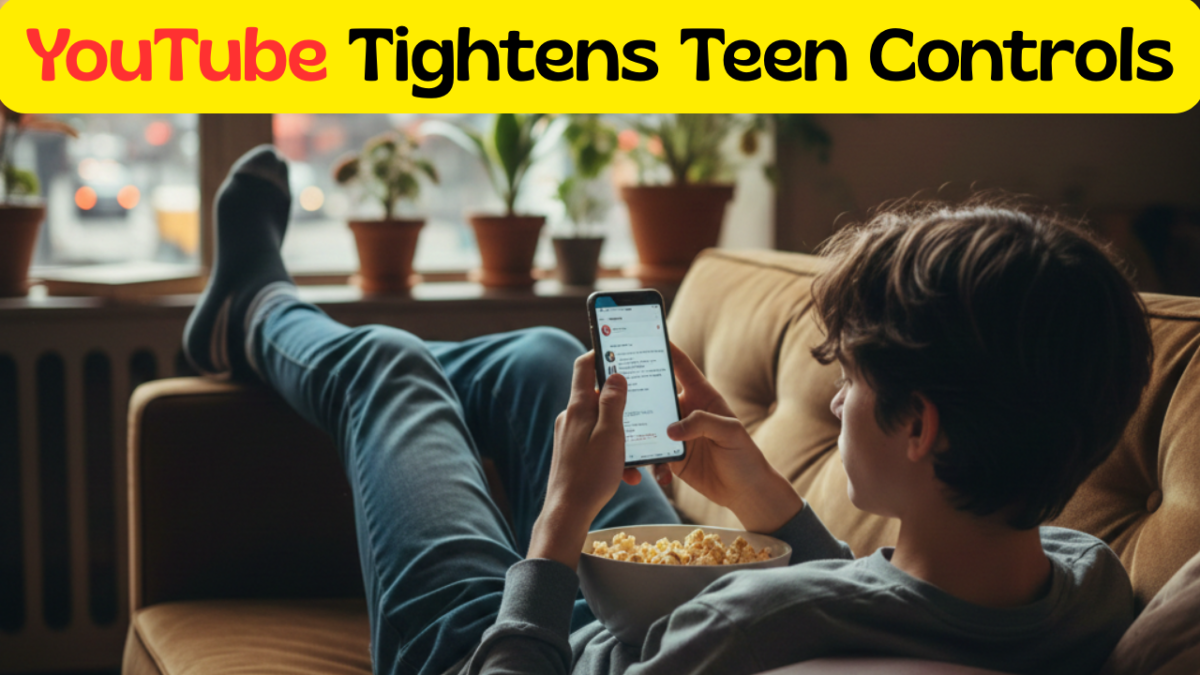
YouTube has announced a significant update to its parental control features, giving parents more authority over how their teenagers use the platform, especially when it comes to YouTube Shorts, its endlessly scrolling short-form video feed. This move signals a broader shift in how major platforms are responding to concerns around screen addiction, mental well-being, and age-appropriate content consumption. For families, it adds long-awaited control. For creators and networks, it marks an important change in how teen audiences may engage with content going forward.

What’s Changing on YouTube?

Under the new update, parents supervising a teen’s account can now set daily time limits specifically for Shorts, ranging from zero minutes to up to two hours. Shorts can also be completely disabled when needed. YouTube has positioned this as a flexibility feature — for example, parents can turn off Shorts during homework hours and allow limited access during travel or leisure time.

Alongside Shorts controls, parents can now:

  • Set custom bedtime reminders
  • Enable “take a break” alerts
  • Manage these settings more actively rather than relying only on YouTube’s default under-18 protections 

According to YouTube, these updates are part of a wider effort to make teen usage healthier and more intentional, rather than driven by endless scrolling.

Why YouTube Is Doing This Now

Short-form video formats are powerful and addictive by design. Parents, child-safety advocates, and lawmakers globally have raised concerns that infinite scroll feeds encourage excessive screen time, particularly among teenagers. YouTube’s response reflects growing regulatory and social pressure on platforms to take preventive responsibility, not just reactive moderation. This also aligns with YouTube’s recent decision to use AI to estimate users’ ages, placing suspected teens into stricter safety settings even if a different age is entered at sign-up. Other platforms like Instagram and Character.AI have also rolled out tighter parental controls, indicating an industry-wide shift rather than a one-off update.

Changes to Teen Content Recommendations

Beyond time limits, YouTube is also refining what content teens are shown. The platform says it will prioritise recommendations that focus on:

  • Curiosity and inspiration
  • Life skills and real-world experiences
  • Credible information that supports well-being

At the same time, YouTube will continue limiting repeated exposure to content that could push teens toward harmful patterns — such as videos that idealise extreme body types or unhealthy behaviours. For creators, this means quality, value-driven content is likely to be favoured over purely addictive formats when targeting teen audiences.
 

Is This Available in India Yet?

As of now, YouTube has not announced a specific India-only rollout date for Shorts time limits. The update has been announced globally, but features like these are typically released in phases and rolled out gradually through supervised accounts and Family Link controls. Indian parents should expect these tools to appear progressively rather than instantly. Creators and MCNs should also prepare for changes in teen viewing behaviour as these controls become more widely available.

A Bigger Conversation Around Parental Authority

The update comes amid renewed debate around who should control teen accounts. Recently, YouTube’s parent company, Google, faced criticism after notifying a nearly 13-year-old user that they would soon be able to remove parental supervision. Following backlash from child-safety advocates, Google updated its policy to ensure parental approval is required before supervision can be removed, reinforcing that families, not platforms, should decide when teens are ready for full account independence.

Ping MCN’s Perspective

At Ping MCN, we see this as a necessary and overdue step. The creator economy has matured, and so has the responsibility that comes with reaching younger audiences.

For creators, this update reinforces an important reality:

  • Sustainable growth will come from trust, value, and relevance, not just screen time
  • Teen audiences will increasingly be shaped by quality filters, not just algorithms
  • Platforms are moving toward health-first engagement, and creators must adapt accordingly

For parents, these tools offer a better balance. For creators and brands, they mark a shift toward more mindful content ecosystems.If you’re a creator or brand navigating audience changes, policy updates, or platform shifts in 2026, Ping MCN helps you stay ahead. responsibly, strategically, and sustainably.

PING MCN’s View on the Future of Podcasting

At PING MCN, we see podcasts as evolving media IPs rather than isolated episodes. The next phase of podcasting belongs to creators and brands that design podcasts for discovery, longevity, and monetisation from the outset. For podcasters looking to transition from audio-only to video-first, build reach beyond podcast apps, and convert conversations into sustainable value, reach out to PING MCN for the strategy and infrastructure to evolve without losing depth or identity.
How To Grow Your Podcast On YouTube In 2026

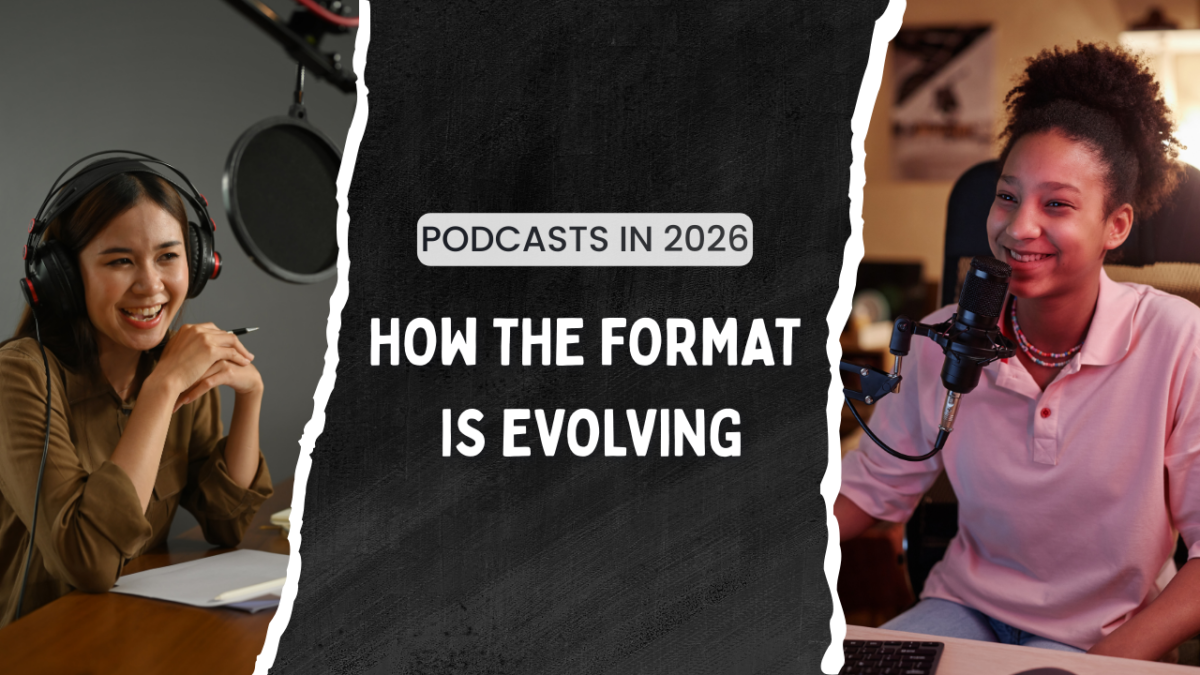
For the first time since podcasting entered the Indian mainstream, creators are questioning the future of the format. Growth has slowed for many audio-only shows, sponsorship budgets have become more selective, and discoverability on podcast apps feels increasingly limited. This has led to a widely repeated conclusion that podcasts are “on the way down.”That conclusion misses the larger picture. Podcasts are not declining; they are moving from an early, experimental phase into a more mature and demanding media environment. What worked five years ago is no longer sufficient, and formats that fail to evolve are naturally losing momentum. The podcast itself, however, is becoming more powerful, more strategic, and more closely tied to long-term brand value than ever before.

The End of Audio-Only as the Default Podcast Format

Podcasting began as an audio-first medium largely because distribution technology demanded it. Platforms like Spotify and Apple Podcasts were built for listening, not discovery or visual storytelling. In the early years, this limitation was acceptable because audiences were still forming habits around on-demand audio. Today, those limitations are increasingly visible. Creators have realised that audio-only podcasts struggle to express personality, emotion, and context, especially to first-time listeners. As a result, video has moved from being an optional add-on to becoming the core format. YouTube now plays a central role in podcast growth because it combines long-form viewing, search intent, algorithmic discovery, and audience feedback in a single ecosystem. For many successful podcasts, audio platforms no longer lead growth. They support it.

Why Discovery Has Become the Defining Challenge

One of the most misunderstood aspects of podcasting is why so many shows plateau. The issue is rarely content quality alone. The larger problem is discovery. Podcast apps were never designed to introduce new creators at scale. They reward existing loyalty rather than curiosity. Discovery has shifted to platforms where attention already exists. Short-form video on YouTube Shorts and Instagram now acts as the primary gateway to podcasts. A 30-second insight or moment often does more to introduce a podcast than an entire audio episode buried inside an app. In this environment, the podcast episode itself is no longer the first interaction. It is the second or third step, after trust and interest have already been established elsewhere.

How Podcast Structure Is Becoming More Intentional

As the ecosystem matures, audiences are becoming more selective. Long conversations still have a place, but they now require structure, focus, and intent. Viewers expect podcasts to respect their time, establish relevance early, and deliver on a clearly defined promise. This does not mean podcasts must become shallow. On the contrary, depth is still valued, but only when it is earned. Successful podcasts today are designed to guide the listener rather than test their patience. This evolution reflects a broader shift in digital media where time, not content volume, is the scarcest resource.

The Shift From Celebrity Appeal to Authority and Relevance

In the early boom phase, celebrity-driven podcasts dominated attention. Familiar names made it easier to attract initial listeners. As the market has matured, however, audiences are increasingly choosing podcasts based on relevance rather than recognition. Niche podcasts led by founders, professionals, creators, and subject-matter experts are growing steadily because they offer clarity and specificity. Listeners are no longer asking who the host is; they are asking what value the conversation adds to their thinking, work, or life. Podcasting has shifted from mass entertainment to purposeful engagement.

Podcasts as Strategic Business Assets

Perhaps the most important evolution is how podcasts are being valued. They are no longer treated merely as content uploads measured by downloads. Podcasts now function as long-term brand assets that build trust, authority, and audience intimacy over time. Many creators are monetising podcasts indirectly through consulting, education, memberships, speaking engagements, and brand partnerships. In this model, the podcast is not the product, it is the foundation. Its real value lies in the relationship it builds with a highly engaged audience.

Why the “Podcasts Are Dying” Narrative Persists

The perception of decline exists because outdated approaches are failing in a more competitive environment. Podcasts that remain audio-only, lack a distribution strategy, and rely solely on platform algorithms are struggling to stay visible. This is not a failure of the format but a natural outcome of increased maturity. Formats that adapt to video, short-form discovery, and clear positioning are not experiencing decline. They are compounding in influence and relevance.

PING MCN’s View on the Future of Podcasting

At PING MCN, we see podcasts as evolving media IPs rather than isolated episodes. The next phase of podcasting belongs to creators and brands that design podcasts for discovery, longevity, and monetisation from the outset. For podcasters looking to transition from audio-only to video-first, build reach beyond podcast apps, and convert conversations into sustainable value, reach out to PING MCN for the strategy and infrastructure to evolve without losing depth or identity.
Does A/B Testing Thumbnails & Titles Actually Improve YouTube Views?

On YouTube, most videos don’t fail because the content is bad; they fail because the packaging doesn’t invite the click. Thumbnails and titles are the first filter every video passes through, and in a crowded feed, even a small advantage can decide whether a video gets discovered or ignored. This is where A/B testing enters the conversation. Not as a growth hack, and certainly not as a guarantee, but as a way to make smarter, calmer decisions in a platform driven by audience behavior. From an MCN perspective, A/B testing is less about experimentation for the sake of it and more about removing personal bias from content decisions.

Why A/B Testing Matters More Than Ever

As YouTube matures, the algorithm has become far more responsive to viewer signals than creator intent. It doesn’t care which thumbnail you like more; it reacts to what people actually click on and continue watching. A/B testing allows creators to understand how audiences respond to different visual or textual cues. Sometimes the difference is subtle: a facial expression, a word choice, a colour contrast. But at scale, even a small uplift in click-through rate can significantly improve reach, especially for evergreen or long-tail content. For channels publishing consistently, A/B testing helps answer a crucial question: Is my video underperforming because of content or because of presentation?

When A/B Testing Makes Sense and When It Doesn’t

A/B testing works best when the fundamentals are already in place. If a channel has a clear niche, stable content quality, and regular impressions, testing thumbnails and titles can unlock incremental growth. Where creators often go wrong is using testing as a reactionary tool. If a topic itself lacks demaAnd or clarity, no amount of thumbnail experimentation will save it. Similarly, channels with very low impressions rarely generate enough data for meaningful conclusions, making the test more misleading than helpful. From an MCN standpoint, the biggest mistake we see is creators changing thumbnails too frequently or testing multiple ideas at once. That creates noise, not insight.

How YouTube’s Testing Actually Works

YouTube’s built-in testing allows creators to upload multiple thumbnails for the same video. These variants are shown to similar viewer segments over time, and YouTube evaluates how audiences respond. What’s important to understand is that YouTube isn’t only measuring clicks. It also looks at what happens after the click, whether viewers continue watching or drop off quickly. A thumbnail that attracts curiosity but disappoints in delivery may perform well briefly but lose out in the long run. This is why some thumbnails that feel “less exciting” can outperform flashy ones over time. They set more accurate expectations.

Evaluating Results the Right Way

One of the most common misconceptions is judging a test too quickly. Early performance spikes are often driven by novelty, not preference. A meaningful result shows consistency improved click-through rate without hurting watch time, stronger performance across Browse and Suggested, and stability over several days. In some cases, a variant with slightly lower CTR but better retention becomes the true winner. A/B testing isn’t about instant wins. It’s about long-term efficiency.

Is A/B Testing a Must for Every Creator?

Not necessarily. Great storytelling and strong topic selection will always matter more than optimisation. A/B testing doesn’t replace creative instinct it refines it. Used correctly, it saves time, reduces emotional decision-making, and builds clarity around what your audience actually responds to. Used blindly, it becomes just another dashboard to obsess over

The Bigger Picture

A/B testing thumbnails and titles is not about chasing the algorithm. It’s about respecting audience behaviour and letting data guide packaging choices, especially when growth plateaus or becomes unpredictable. For creators serious about longevity, optimisation is no longer optional. But it has to be done with intent.

Want to Do This the Right Way?

At PING MCN, we help creators and publishers go beyond random testing. From deciding when to test, what to test, and when to lock winning patterns, our approach focuses on sustainable growth and not short-term spikes. If you’re looking to improve discovery, Reach, CTR, and long-term channel performance without guesswork, reach out to PING MCN to build a smarter strategy.

Virality vs Consistency on YouTube: What Really Drives Growth in 2026

For a long time, virality was widely seen as the fastest and most desirable route to success on YouTube. One explosive video could bring millions of views, a flood of subscribers, media attention, and the feeling of having “made it” overnight. This belief shaped how many creators approached content — constantly chasing trends, formats, or moments that might trigger the algorithm. However, as the platform has matured and the creator economy has professionalised, the reality in 2026 looks far more grounded. Today, sustainable success on YouTube is less about one-off spikes and more about long-term performance. Sudden viral moments may still happen, but they no longer guarantee lasting growth, stable income, or audience loyalty on their own.

In 2026, YouTube rewards creators who can deliver value repeatedly, week after week, video after video. Growth now comes from consistent watch time, returning viewers, and predictable engagement patterns rather than unpredictable bursts of attention. As a result, the creators who truly win are not those chasing every new trend, but those who build dependable content systems. clear formats, defined topics, and reliable publishing rhythms that compound steadily over time.

Virality Is Exciting, But It’s Unreliable

Viral videos often depend on timing, external shares, algorithm experiments, or sudden audience behaviour — most of which creators cannot fully control. Even high-quality videos can fail to go viral, while average ones sometimes explode unexpectedly. Consistency, however, puts creators back in control. When you publish regularly, focus on clear topics, and maintain a familiar format, you reduce dependency on luck. Over time, this steady output trains both the audience and the algorithm to expect and reward your content.

Consistency Builds Habit, Not Just Reach

Virality introduces you to people once. Consistency turns viewers into a community.
When audiences know what to expect, a weekly upload, a familiar format, and a clear value proposition, your content becomes part of their routine. This habit-driven viewing improves click-through rates, watch time, and engagement across every new upload. Over time, your channel develops memory value, not just momentary attention.

Monetisation Rewards Stability

From a revenue perspective, consistency is far more valuable than one-off success. Advertisers, brands, and platform-led monetisation features all prefer predictable performance. Channels that deliver stable monthly views, defined audience demographics, and regular uploads are easier to monetise and scale. Viral spikes often look impressive on analytics graphs but are difficult to convert into long-term income. Consistent channels, however, build reliable revenue streams across ads, brand deals, memberships, and commerce integrations.

The Compounding Effect of Consistent Content

Each consistent upload strengthens your channel ecosystem. Your video library grows, your authority in a topic deepens, and your content begins to recommend itself through playlists and suggested videos. One viral hit creates a moment. A hundred well-performing videos create a business. Over time, consistency compounds quietly — improving discoverability, retention, and channel credibility without dramatic spikes.

Why Virality Alone Can Hurt Creators

Going viral without a content foundation often creates pressure rather than progress. Creators may feel forced to repeat the same viral formula, chase trends outside their niche, or cater to an audience that doesn’t align with their long-term goals. Consistency encourages structure before scale. It allows creators to experiment safely, refine formats, and grow without burning out or confusing their audience.

The Real 2026 Strategy: Consistency First, Virality Second

The most successful creators in 2026 don’t ignore virality — they just don’t depend on it. They focus on consistent publishing, strong content pillars, and gradual improvement. When a video breaks out, it does so on top of a stable foundation, amplifying growth instead of distorting it.

Final Takeaway

In 2026, YouTube’s success is no longer about chasing the biggest spike. It’s about building a steady upward curve that lasts. Creators who commit to consistency gain audience trust, algorithm confidence, and monetisation stability. Virality may come and go, but consistency is what builds long-term creator careers.

At PING MCN, we help creators design these systems, balancing creative freedom with structured growth strategies that work with YouTube’s evolving ecosystem, not against it. If you’re looking to move beyond chasing virality and build consistent, long-term growth, reach out to the PING Network team and explore how our MCN expertise can support your channel at every stage.

YouTube Introduces Ask Studio: Your AI-Powered Creator Companion

YouTube has rolled out a major new feature within YouTube Studio called Ask Studio, an AI-powered conversational assistant that helps creators make sense of their analytics, audience insights, and content strategy — all through natural language prompts. Instead of endlessly navigating dashboards and scanning comments, creators can now just ask and get clear, personalised answers.

What is YouTube Ask Studio?

Ask Studio is an AI chatbot built right into YouTube Studio that creators can use to quickly understand their channel data and audience behaviour. It’s designed to act like a creative partner — someone you can ask questions to about your performance, community feedback, and future content opportunities. With Ask Studio, creators don’t need to interpret charts or sift through comments manually. Instead, they can use plain English to ask questions such as:


  • “How did my latest video perform compared to last month?”
  • “What are viewers saying about my content?”
  • “Give me ideas for my next video topic

Key Features and Capabilities

Here’s what Ask Studio brings to the creator workflow:

1. Conversational Analytics Interpretation
Ask Studio pulls analytics directly from your YouTube Studio data to explain performance in plain language — turning complicated charts and numbers into insights you can act on.
For example, you can ask how your view trend compares over time or why a particular video may have dropped in engagement.

2. Comment and Audience Summaries
One of the most powerful features is summarising comments at scale. Ask Studio can surface common themes, sentiment trends, or recurring viewer questions without you having to read each comment manually.

3. Content Inspiration & Strategy
Beyond analysis, Ask Studio can suggest new video ideas, hooks, and potential formats based on what your audience already responds to. If you’re stuck on what to create next, this is like having a brainstorming partner built into Studio.

4. Personalised Insights
Since the AI uses your specific channel data, every answer is tailored — not generic. It can highlight which videos earned the most subscribers, which topics keep viewers watching longest, and where your growth opportunities lie.

Limitations to Keep in Mind

While promising, Ask Studio isn’t perfect yet:
🔹 Limited Access: Still in experimental rollout, not everyone sees it yet.
🔹 Desktop Only: Mobile Studio users can’t use it yet.
🔹 Not a Replacement for Deep Analytics: It simplifies insights, but shouldn’t replace strong data review or strategy skills
🔹 Accuracy Varies: As with all AI tools, some answers may need refinement or rephrasing to get the best responses.

Where Ask Studio Helps And Where Human Expertise Still Matters

Ask Studio is a powerful step toward making YouTube analytics easier and faster to understand. It helps creators see what is happening on their channel and what their audience is responding to. However, growth on YouTube still depends on correct interpretation, policy awareness, and long-term monetisation strategy, areas where AI insights alone can fall short. Ask Studio simplifies data, but it doesn’t account for copyright risk, monetisation health, or platform-level nuances that impact a channel over time. That’s why creators who scale sustainably combine AI tools like Ask Studio with experienced guidance. At Ping MCN, we help creators turn insights into safe, actionable strategies, ensuring growth that is not just faster, but also stable and compliant.

AI shows the numbers. Experience shows the direction. Reach out to Ping MCN if you’re looking for expert support beyond dashboards and want a Content growth strategy, monetisation, or rights-related support.

All the Revenue Streams Available for YouTubers And How to Use Them in 2026

In 2026, YouTube is no longer a platform where creators simply upload videos and wait for ads to pay the bills. It has evolved into a complete media and commerce ecosystem. For creators who understand this shift, YouTube is not just a distribution channel — it is the front end of a business. What separates struggling creators from sustainable ones today is not talent or consistency alone, but how well they understand and combine YouTube’s multiple revenue streams. Here we have explained every major way YouTubers can earn in 2026, and more importantly, how each stream should be used strategically.

Ad Revenue: The Foundation, Not the Finish Line

Ad revenue through the YouTube Partner Program remains the most common and visible form of monetisation. When ads are served on a video, creators earn a share of the revenue based on factors such as viewer location, content category, watch time, and advertiser demand. However, by 2026, most experienced creators understand one hard truth: ad revenue is unstable. CPMs fluctuate with seasons, markets, and even global events. A channel that earns well one month can see revenue drop the next without any fault of its own. This is why ad revenue should be treated as the foundation layer. It rewards scale and consistency, but it should not be the only income source a creator depends on. Smart creators optimise retention, pacing, and viewer experience not just to increase earnings, but to make their content attractive for other monetisation layers built on top of it.

Fan Funding: Turning Viewers into Supporters

One of the biggest shifts in the creator economy is the move from advertiser-dependent income to audience-supported income. Features like Channel Memberships, Super Thanks, and live monetisation allow creators to earn directly from their most loyal viewers.

In 2026, fan funding works best for creators who build communities rather than chase viral reach. Educational channels, podcasts, gaming creators, and niche experts benefit the most because viewers feel personally invested in the creator’s work. The key here is value. Viewers do not pay simply to support a channel; they pay for access, recognition, and exclusivity. When done right, even a small group of engaged supporters can create a stable, recurring monthly income that is far more predictable than ads.

Affiliate Marketing: Monetising Intent, Not Attention

Affiliate marketing has quietly become one of the most effective monetisation methods on YouTube. Instead of being paid for views, creators earn when viewers actually take action and buy a product. This works especially well in categories where viewers are already in a decision-making mindset, such as technology, beauty, home, fitness, and online tools. A well-timed recommendation in a helpful video can continue earning months or even years after upload.

In 2026, affiliate income is often combined with YouTube Shopping and product tagging, making the purchase journey shorter and more seamless. For creators, the focus should be on solving problems rather than pushing products. Trust drives conversions far more than aggressive promotion.

YouTube Shopping: Content Meets Commerce

YouTube’s evolution into a shopping platform has changed how creators think about monetisation. Product tagging allows creators to link items directly within videos, Shorts, and live streams, turning content into a storefront.

This is particularly powerful for creators who may not yet have brand deals but create content that naturally demonstrates products. Cooking channels, tech reviewers, lifestyle creators, and educators benefit greatly because viewers can move from discovery to purchase without leaving the platform.

In 2026, YouTube Shopping is less about selling and more about enabling. When creators use it as a utility rather than a sales pitch, it enhances viewer experience while generating revenue.

Selling Your Own Products and Services

For many established creators, YouTube is no longer the primary source of income. It is the engine that drives traffic to what they own. Courses, consultations, digital products, workshops, and communities allow creators to monetise expertise directly. Unlike ads or brand deals, this revenue is fully controlled by the creator, from pricing to positioning. The most important shift here is mindset. Successful creators don’t treat YouTube as a place to sell aggressively. They use it to educate, build trust, and demonstrate credibility. Sales become a natural extension of the value already delivered for free. In 2026, creators who own products own their future.

Content Licensing and Rights Monetisation

Another often overlooked revenue stream is content licensing. High-quality, original, or newsworthy content can be licensed to media houses, platforms, and brands for reuse. Additionally, creators who own music, video libraries, or original IP can monetise usage across YouTube through rights management systems like Content ID. This allows creators to earn even when they are not the ones uploading the content. This form of monetisation works best for production houses, music creators, and media-first channels. While it requires strong rights documentation and responsible usage, it creates long-term passive income from existing content.

Pay-Per-View and Premium Access

YouTube’s paid content features allow creators to charge viewers directly for exclusive access. This model works best for premium experiences such as workshops, films, special interviews, or live events. In 2026, successful creators avoid locking their regular content behind paywalls. Instead, they use paid access as an upgrade for viewers who want deeper value or exclusive experiences. When positioned correctly, premium content enhances a creator’s brand rather than limiting reach.

The Real Monetisation Lesson for 2026

The biggest mistake creators make is chasing every monetisation option at once. The smartest creators choose a combination that fits their content, audience, and long-term goals.

  • Ad revenue brings scale.
  •  Fan funding brings stability.
  •  Brand deals bring growth capital.
  •  Products and affiliates bring profitability.
  •  Rights monetisation brings long-term value.

In 2026, YouTube’s success is no longer measured by views alone. It is measured by how well a creator turns attention into a sustainable business. Creators who understand this shift early won’t just survive the next wave of change; they’ll lead it. YouTube monetisation in 2026 isn’t about chasing every feature; it’s about using the right tools at the right time.

As the best MCN In India, we at Ping Network help creators and content owners turn YouTube into a structured, scalable business through monetisation strategy, rights management, and platform expertise. If you’re building for the long term, conversations matter more than shortcuts.

How To Grow YouTube Channel in 2026

The year 2025 has been one of quiet but significant transformation on YouTube. Instead of launching loud, flashy features, YouTube focused on strengthening the foundation of how content is discovered, protected, monetised, and analysed. These shifts may not look dramatic at first glance, but together they have reshaped the creator experience in a meaningful way. Here’s a simple, explanatory look at what genuinely changed on the platform this year and why it matters to creators, brands, and media companies to stay on top in the year 2026

Analytics Shift Toward ‘Meaningful Viewers’

YouTube has expanded its reporting to focus less on raw views and more on engaged, retained, and high-quality views. Creators can now clearly see the difference between someone who watches out of curiosity and someone who genuinely stays. Shorts, long-form, and live views are also more separated and easier to understand. This change pushes creators to think beyond just reach: the goal now is to build content that people commit to watching. The platforms’ algorithm also increasingly rewards this behaviour. This will help creators know what’s working for their content and what’s not.

YouTube Shopping Becomes a Core Revenue Layer

This year, we saw shopping move from being an “extra feature” to becoming a mainstream monetisation option. More creators gained the ability to tag products, integrate brand stores, and run affiliate-driven content natively within YouTube.
This matters because YouTube is officially positioning itself as a hybrid content + commerce ecosystem. For categories like beauty, electronics, and home, this shift is opening up revenue streams that do not depend on views or ad rates.

Courses Mature Into YouTube’s Learning Ecosystem

This year, YouTube Courses evolved from an experimental product into a full-featured learning platform. With structured modules, in-video quizzes, multilingual dubbing, and monetisation through one-time purchases, creators now have a realistic way to sell premium content without needing external platforms. For educators, chefs, fitness coaches, musicians, and skill-based channels, Courses have become a practical way to create long-term value, not just views.

Rights Management Becomes More Accurate

Content ID and CMS workflows were upgraded to reduce errors and speed up processing. Reference files are now matched more intelligently, duplicate detection is sharper, and ownership conflicts surface earlier. Manual claiming also became simpler for those who handle rights at scale. These changes protect revenue for rights owners while reducing the false matches that creators and MCNs often struggle with.

AI Tools Move Inside the Creator Workflow

This year, YouTube introduced and expanded several AI-powered tools that directly support content production. Creators can now auto-dub videos in multiple languages using near-exact voice cloning, generate backgrounds using Dream Screen for long-form, and receive automated editing suggestions to improve pacing and flow. The result is faster production cycles and reduced dependency on large teams—making high-quality content more accessible than ever.

Shorts Evolve With Longer Formats and Better Linking

YouTube quietly broadened the role of Shorts. Some creators can now upload Shorts up to 90 seconds, giving more space for storytelling. New linking options are helping bridge the gap between short-form discovery and long-form retention, finally making Shorts a reliable funnel rather than a standalone format. Creators who balance both formats strategically are seeing stronger channel health overall.

Stronger Policies Around AI, Safety, and Authenticity

With the rise of synthetic media, YouTube tightened guidelines around AI-generated content this year. Creators must now properly disclose deepfake visuals, cloned voices, and synthetic recreations. Enforcement around reused and low-quality compilation content also increased, while children’s content policies were refined to ensure safer viewing. These changes signal YouTube’s push for a transparent and authentic ecosystem where creators’ originality is protected.

Premium Viewing Expands Through Pay-Per-View

YouTube expanded Pay-Per-View access to more countries and content categories.
This feature is proving especially helpful for film releases, fitness workshops, high-value cooking classes, and educational masterclasses. It gives creators and production houses a revenue path that goes beyond ads, Shopping, or courses.

Thumbnail & Title Testing (Test & Compare)

One of the most impactful creator updates in 2025 was the wider rollout of Thumbnail and Title Test & Compare. YouTube now allows creators to experiment with multiple creative versions for the same video and automatically identify which option performs best based on real viewer behaviour, like CTR. This matters in 2026 because Growth will increasingly depend on creative optimisation, not just content quality. Creators and brands must treat thumbnails and titles as performance assets and build testing into their upload strategy.

Ask Studio & AI-Led Creator Guidance

In 2025, YouTube Studio evolved from a reporting tool into a strategic assistant with the introduction of Ask Studio. Creators can now ask questions directly inside Studio to understand why a video performed a certain way and receive AI-backed suggestions for titles, descriptions, and content improvements. This matters in 2026 because YouTube is actively guiding creator decisions from within the platform. Those who learn to interpret and apply these insights will be better positioned to adapt and grow.

Turn insights into impact with Ping, the best MCN in India
At Ping, we don’t just track trends, we decode them into content strategies that help creators and brands grow sustainably. From data-backed insights to execution-ready content frameworks, we help you stay ahead of the curve.
👉 Partner with Ping to build smarter, trend-led content strategies.

PING MCN on Raghav Chadha’s Copyright Reform for Digital Creators

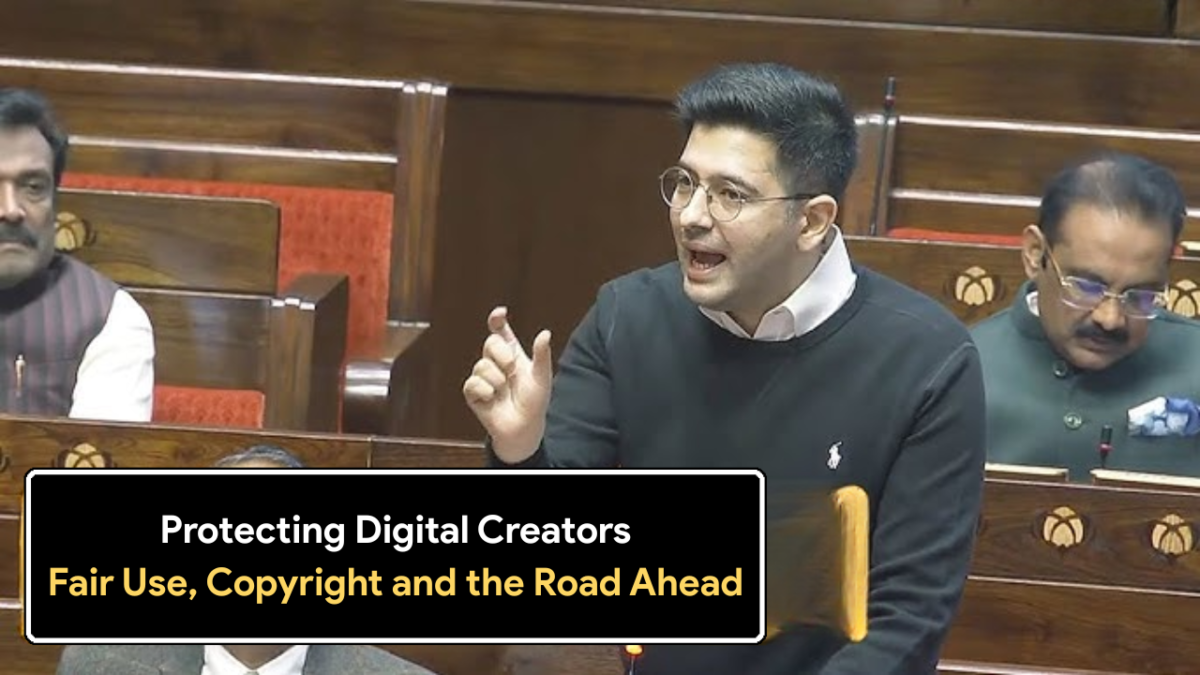
India’s creator economy has matured rapidly. Today, a YouTube channel, music catalogue, or digital video library is not just “content” — it is a livelihood, a business asset, and often the result of years of consistent effort. Yet, the legal framework and platform-level safeguards meant to protect creators have struggled to keep pace with this growth. Recently, during proceedings in Parliament, Raghav Chadha raised an important concern — the growing number of creators facing account bans, takedowns, or monetisation loss for using extremely small or incidental portions of copyrighted material, often without malicious intent. His intervention has reopened a much-needed conversation around how copyright enforcement is being applied in practice on digital platforms.

What Was Highlighted in Parliament (In Simple Terms)

The core issue raised was not about defending piracy, but about disproportionate punishment. Creators today can face: Channel strikes or bans Video takedowns, Revenue blocks, even when the usage involves:

  • A few seconds of background audio
  • A brief visual clip used for explanation, commentary, or critique
  • Incidental music captured unintentionally during vlogs or live recordings

The concern is clear: small, non-substitutive usage is increasingly being treated the same way as full-scale infringement — and that imbalance puts creator livelihoods at risk

How Copyright Tools Are Being Misused Today

Copyright protection tools such as Content ID are essential to protect original work. However, their misuse or over-application has become increasingly common. Some real-world patterns we see include:

1. Claims on Negligible or Accidental Usage
Creators receiving strikes for: Background music is faintly audible in public spaces. TV screens are visible for a few seconds in lifestyle or vlog content. These uses rarely replace or compete with the original work, yet still trigger enforcement.

2. Automated Claims Without Human Review
Many claims are fully automated Context-agnostic Lacking human verification. As a result, educational, review, parody, or commentary content is often penalised unfairly.

3. False or Opportunistic Ownership Claims
In some cases Rights are claimed without legitimate ownership. Public-domain or properly licensed material is flagged.d Disputes become prolonged and opaque. This drains creators emotionally and financially, and creates a chilling effect where creators begin to self-censor out of fear.

Why This Is a Serious Problem for the Creator Ecosystem

For large studios, a wrongful claim may be an inconvenience. For independent creators, it can mean:

  • Sudden income loss
  • Channel termination
  • Years of work were raised overnight. 

When enforcement lacks proportionality, copyright stops being a protection mechanism and starts functioning like a blunt instrument. This is precisely why voices like Raghav Chadha’s matter — they signal that policymakers are beginning to recognise the ground-level realities faced by digital creators.

How PING MCN Uses Copyright Tools Responsibly

At PING MCN, we work closely with creators, labels, and rights holders. We believe copyright enforcement must be fair, transparent, and accountable.
Our approach is guided by three core principles:

1. Claims Only Where Legitimate Rights Exist
We ensure Proper documentation before onboarding content, clear ownership validation, and no speculative or bulk claims. Human intervention before enforcement. If rights are unclear, we do not claim.

2. Context-Aware Enforcement
We actively avoid claiming incidental or background usage, penalising commentary, review, or educational formats, and over-enforcement that erodes creator trust. Protection should never come at the cost of creativity.

3. Dispute Resolution Over Punishment
When conflicts arise, our priority is Dialogue, Evidence-based resolution, and Minimising disruption to creator earnings. The goal is rights protection, not creator suppression.

Looking Ahead : The Bigger Picture, Protection With Proportion

Copyright laws and tools are essential, but how they are applied matters just as much as why they exist. The conversation initiated by Raghav Chadha in Parliament reflects a growing realisation:

  • Digital creators need clarity, not fear
  • Enforcement must be proportionate, not automated punishment
  • Innovation thrives only when creators feel secure

At PING MCN, we strongly support any move that brings balance between rights holders and creators, and we remain committed to using copyright tools ethically, responsibly, and transparently. Raghav Chadha’s call to amend the Copyright Act is an important signal that India is beginning to take its digital creators seriously at a policy level.  

Discover how PING MCN empowers creators and rights holders with transparent, compliant Content ID and rights-management solutions.
Contact us now: https://www.pingnetwork.in/

Introducing Video-wise Content ID Protection

In today’s creator economy, protecting your original content is just as important as creating it. Every video you upload represents your creativity, effort, and potential revenue, yet without the right protection, it can easily be reused or monetised by someone else.

That’s where YouTube’s Content ID system comes in as a powerful tool that detects and manages unauthorised re-uploads of your videos across the platform.

Why Content ID Matters

For most independent creators, access to YouTube’s Content ID is limited. Only networks, rights holders, or large production companies typically get direct access to the system. This means that individual creators, even those producing high-quality original content, often have no way to protect their videos beyond manual copyright claims, which are slow and inconsistent.

With Content ID, creators can:
1. Automatically detect copies of their videos across YouTube.

2. Choose what happens next — monetise, track, or block those copies.

3. Earn additional revenue when others reuse their work legitimately.

4. It’s the ultimate protection-plus-monetisation tool for serious creators.

Ping Network’s New Offering: Content ID Without Channel Linking

At Ping Network, we’re making this powerful technology accessible to more creators, but with a difference. Traditionally, to get Content ID protection through an MCN (Multi-Channel Network), creators had to link their entire channel to the MCN’s YouTube CMS. That can feel restrictive, especially for creators who want to retain full independence and control over their channels.

With our new Video-wise Content ID service, that’s no longer necessary.
You can now protect specific videos without linking your entire channel to our CMS.

That means:
✅ You keep complete control of your channel.
✅ Only the selected videos are added under Content ID protection.
✅ We handle the claim management, reporting, and monetisation transparently.

It’s flexible, simple, and designed for creators who value both freedom and security.

A Win-Win-Win Partnership

Our goal is to make Content ID accessible, affordable, and beneficial for everyone involved: the creator, the rights holder, and Ping Network.

Win for Creators: Your original work stays protected, and you earn from any reuse.

Win for the Platform: Cleaner rights management means a healthier ecosystem.

Win for Ping: We grow alongside creators who trust us to manage their content responsibly.

We offer minimal monthly charges, depending on the number of videos you choose to protect. No hidden fees, no long-term lock-ins, just transparent support.

Protect. Monetize. Grow.

If you’re a creator who regularly invests in high-quality videos from music and short films to educational and entertainment content, this is your chance to take control of your rights and earnings.

👉 Get your videos protected with Ping’s Video-wise Content ID Service.
Reach out to us, visit www.pingnetwork.in to get started.

Mistakes New YouTubers Make — And Is It Too Late to Enter the Creator Economy?

The YouTube Dream Isn’t Dead, It’s Just Evolved

Every year, millions of people launch new YouTube channels — some for passion, some for profit, and many for both. Yet, the truth is harsh: most channels never make it past their first 100 subscribers. Not because the platform is saturated, but because creators repeat the same avoidable mistakes over and over again.

The good news? The creator economy is far from “too late.” It’s simply more strategic. Those who understand the game — the algorithm, analytics, and audience — can still build thriving digital empires.

Let’s break down the biggest mistakes new YouTubers make, and what you can do differently today.

1. Chasing Virality Instead of Building Consistency

Most new creators upload one or two videos, get low views, and give up. Others jump on every trend, hoping for a viral breakout. But YouTube rewards consistency, not chaos.

The algorithm learns from your upload frequency and topic consistency if your content keeps changing. cooking one week, gadgets the next. YouTube doesn’t know who to recommend you to.

👉 Pro tip: Pick one niche, one style, and commit to it for at least 90 days before you judge results.

2. Ignoring the First 15 Seconds

YouTube audiences have zero patience. If your video doesn’t hook them in the first 15 seconds, your retention rate crashes, and so does your reach.

A slow intro, long logo animation, or vague talking point is enough for viewers to swipe away.

👉 Fix it: Start your video with energy. Pose a question, show the outcome first, or highlight the “why” before the “how.”

3. Poor Thumbnails and Metadata

Many new creators spend hours shooting and editing, but only seconds on thumbnails and titles. Yet, that’s what determines whether someone clicks in the first place.

👉 Fix it:

  • Use bold, readable text.
  • Keep faces expressive and backgrounds simple.
  • Add curiosity, not clickbait.
  • Write titles like headlines: “How I Grew My Channel in 30 Days (Without Ads).

And don’t forget your tags, keywords, and descriptions — they still matter for YouTube SEO.

4. Treating Shorts as “Extra” Content

Shorts aren’t optional anymore; they’re the gateway to audience discovery. But many creators ignore them or post random clips without context.

👉 Fix it:
Use Shorts strategically to drive traffic to your long-form videos. Create 15–30 second “trailers” that tease your main content and include clear CTAs like: “Watch the full recipe/video on our channel!

5. Focusing on Views Instead of Community

A channel can have a million views but zero loyalty. The real goal is community — people who comment, share, and return.

👉 Fix it:

  • Use the Community tab.
  • Reply to comments.
  • Ask your viewers questions.
  • Go live occasionally to connect directly.

6. Neglecting Channel Hygiene

From broken playlists to missing end-screens, poor channel maintenance sends a bad signal to both viewers and YouTube’s system.

👉 Fix it:

  • Organise your homepage with structured playlists.
  • Add a channel trailer and featured video.
  • Update your “About” section with keywords and links.
  • Keep branding (banners, logos, fonts) consistent.

7. Not Studying Analytics

YouTube Studio isn’t just numbers; it’s insight. Most beginners upload blindly, never checking retention graphs, traffic sources, or watch-time peaks.

👉 Fix it:

Learn to read your analytics weekly. Focus on:

  • Click-through rate (CTR): Are people clicking your thumbnails?
  • Average view duration: Are they staying?
  • Returning viewers: Are they coming back?

So… Is It Too Late to Start a YouTube Channel?

Absolutely not. What’s changed is the approach. The platform has matured — but so have the opportunities.

With AI tools, YouTube Shopping, Pay-Per-View, Courses, and Creator Music, monetisation options are more diverse than ever. You don’t need millions of views; you need strategy, focus, and the right network behind you.

🚀 Partner with Ping Network and Build Smart from Day One

At Ping Network, we’ve helped hundreds of creators from food vloggers to tech reviewers avoid these costly mistakes and grow sustainably.

Whether you’re starting from scratch or want to reboot your channel, our team can help with:

  • Metadata & SEO optimisation
  • Content ID & rights management
  • Audience and performance audits

Brand partnerships & monetisation strategies

🎯 Don’t just start a channel. Build a brand.
👉 Reach out to Ping Network today to get your personalised creator growth roadmap and make sure your next upload works for you, not against you.

📩 Visit PingNetwork.in or contact our team to get started.

PING NETWORK WHITE

Drop Your Email & Stay in the Loop