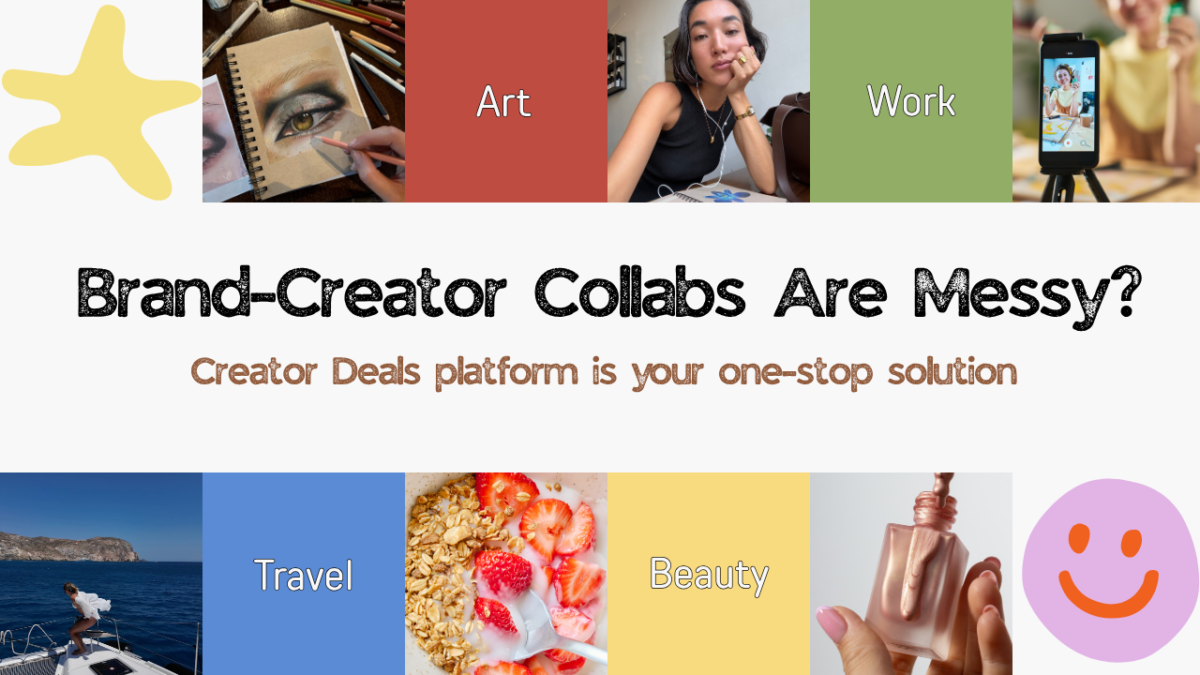
For years, brand-creator collaborations have followed a familiar pattern. A brand identifies a creator, shares a brief, negotiates a fee, and expects a post to go live within a fixed timeline. The transaction ends there, measured in views, likes, and surface-level engagement. On paper, it works. In reality, it rarely delivers the kind of impact brands are actually looking for today. Because the creator economy has moved forward, but the way collaborations are structured largely hasn’t.
The Gap Between Expectation and Reality
Brands today aren’t just looking for visibility. They want cultural relevance, stronger audience connection, and measurable outcomes. At the same time, creators are no longer just distribution channels; they are storytellers, communities, and in many cases, brands in their own right. But most collaborations are still designed like media buys. This creates a disconnect. Creators are often brought in too late in the process, with little creative ownership. Campaigns are executed as isolated posts rather than part of a larger narrative. And success is judged using metrics that don’t fully capture the real value being created. The result? Campaigns that look good on reports, but don’t leave a lasting impact
Where Things Start Breaking Down
A big part of the problem lies in how collaborations are initiated and managed. Discovery is still heavily dependent on surface-level metrics, follower counts, average views, or past brand associations. What’s often missing is a deeper understanding of fit: audience alignment, storytelling style, and long-term relevance. Then comes execution.
Many collaborations are built around rigid briefs that leave little room for creators to bring their own voice into the content. This not only affects authenticity but also impacts how audiences respond. Viewers today can easily tell when content feels forced, and they disengage just as quickly. On the operational side, the process is rarely seamless. Misaligned expectations, unclear deliverables, delayed communication, and inconsistent workflows continue to create friction for both brands and creators. And perhaps most importantly, there is very little focus on continuity. Most collaborations are treated as one-off transactions, when in reality, the strongest impact comes from sustained partnerships.
Creators Are Changing Faster Than the System Around Them
Creators today are thinking beyond individual deals. They are building communities, experimenting with formats, and understanding their audiences at a much deeper level. As a result, they are becoming more selective. They are more likely to engage with brands that offer creative freedom, clarity, and a sense of purpose. They want collaborations that feel like an extension of their content, not interruptions within it. When that doesn’t happen, even well-funded campaigns struggle to perform. This shift is subtle, but important. It signals that the future of collaborations isn’t just about access, it’s about alignment.
From Transactions to Structured Partnerships
What’s emerging now is a more structured approach to collaborations, one that focuses on long-term value rather than short-term output.
This includes:
- Better discovery systems that go beyond vanity metrics
- Clearer alignment between brand objectives and creator strengths
- More collaborative execution processes
- And a stronger focus on outcomes, not just impressions
Instead of isolated campaigns, brands are starting to think in terms of creator ecosystems where the right mix of creators, ideas, and distribution comes together to build something meaningful. This is where the industry is headed. But the infrastructure to support this shift is still catching up.
Where Ping Network's Creator Deals Fit In
This is exactly the gap Creator Deals is built to address. Instead of treating collaborations as one-off transactions, it reimagines the entire process from how creators and brands discover each other to how campaigns are structured and executed.
The idea is simple: bring the right people, ideas, and opportunities together in a way that feels intentional, transparent, and outcome-driven. Whether it’s launching a new product, building cultural relevance, or scaling creator-led campaigns, the focus is on creating collaborations that actually work for both sides. Because meaningful partnerships don’t happen by chance, they require the right structure.
The Shift Is Already Happening
The creator economy isn’t slowing down. If anything, it’s becoming more competitive, more sophisticated, and more outcome-focused. In this environment, brands that continue to rely on outdated collaboration models risk falling behind not because they lack budget, but because they lack alignment. And creators who are forced into transactional deals will increasingly look elsewhere. The next phase of growth in the creator economy will not be driven by more collaborations but by better ones.
A Step Toward Better Collaborations
If you’re a brand looking to build more meaningful creator partnerships, or a creator looking for opportunities that go beyond one-off deals, it might be time to rethink how collaborations are approached. You can explore how this works in practice on the Creator Deals platform:
👉 https://creatordeals.pingnetwork.in/
For ongoing updates, opportunities, and insights around creator collaborations, you can also follow along here:
👉 Instagram: https://www.instagram.com/pingcreatordeals?utm_source=ig_web_button_share_sheet&igsh=ZDNlZDc0MzIxNw==
The way collaborations are built is changing. The question is, are we adapting to it, or still operating in a model that no longer fits?